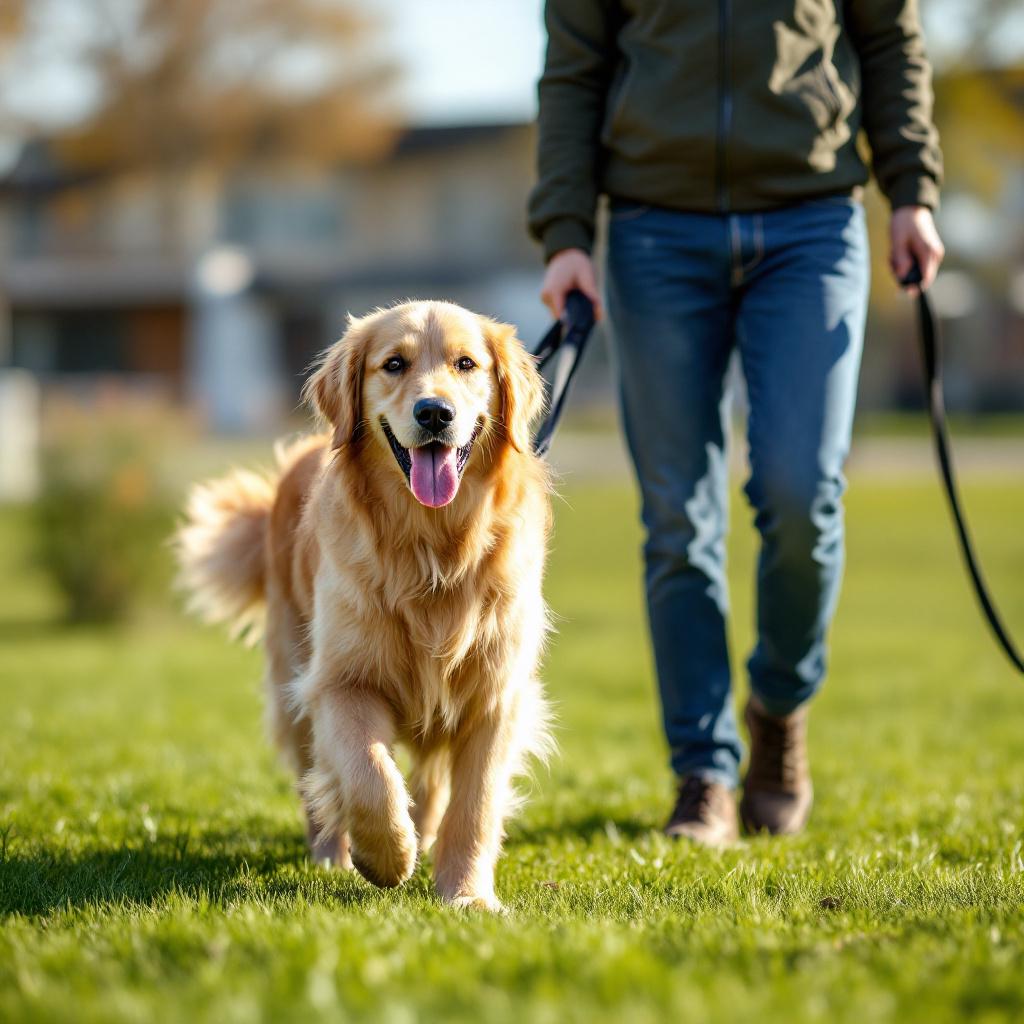
Is Board and Train Safe? What Every Dog Owner Needs to Know Before Enrollment
Is board and train safe? Yes, when the program is run by an experienced trainer with a purpose-built facility, transparent methods, veterinary access, and a proven track record. Board and train for dogs is one of the most effective training formats available, delivering concentrated daily instruction that produces reliable obedience in as little as two weeks. But not every program meets the standard. New Jersey requires no license to operate as a dog trainer, which means the safety of any board and train program depends entirely on the facility you choose and the questions you ask before enrollment.
This article breaks down exactly what makes a board and train program safe, the red flags that signal a risky operation, the seven questions you should ask before handing over the leash, and why over 2,500 dogs have completed our program and gone home trained, healthy, and happy.
At a Glance: Board and Train Safety
- A board and train program is safe when the facility has verified experience, transparent methods, proper insurance, and a clean, secure environment.
- The biggest risk is choosing an unregulated trainer. New Jersey has no licensing requirement for dog trainers, so vetting is entirely on you.
- A safe program includes daily structured training, veterinary access, owner communication, and a clear handoff process when your dog comes home.
- Over 2,500 dogs have completed our two-week Train While Boarding program and gone home with reliable obedience and better manners.
- Asking the right questions before enrollment is the single most important step in keeping your dog safe during board and train.
The Real Reason Dog Owners Pause Before Enrolling
You want your dog trained. You know a board and train program can deliver results faster than weekly group classes. But then the doubt creeps in: is board and train safe for my dog?
That hesitation is not irrational. It is the right instinct. You are trusting someone else with your dog for two weeks, and you deserve to know exactly what happens during that time. The concern is not about the concept of board and train for dogs. The concept works. The concern is about who is running the program and how they run it.
Here is the truth: a board and train program run by an experienced, transparent dog training NJ professional with proper facilities is one of the safest and most effective ways to train your dog. A program run by someone who hung a shingle last year and works out of their garage is not. The difference comes down to the questions you ask before you hand over the leash.
What Actually Makes a Board and Train Program Safe
Board and train safety is not about whether the method works. It is about the specific facility, the specific trainer, and the specific protocols in place. A safe board and train program has five things in common, regardless of location.
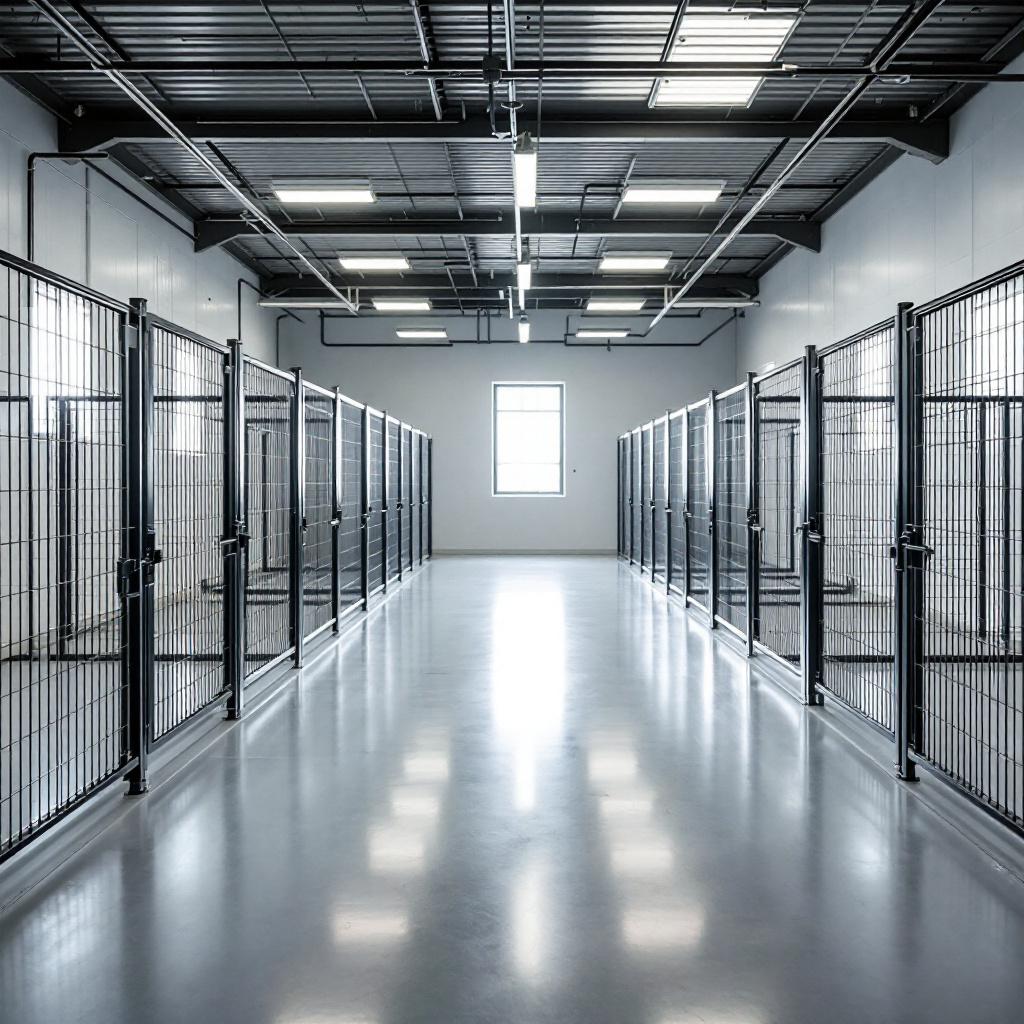
A Facility Built for Dogs, Not Converted for Them
There is a meaningful difference between a purpose-built training facility and a spare bedroom that someone calls a training center. Safe dog training happens in environments designed for it: proper ventilation, climate control, secure outdoor spaces, separate areas for different temperaments, and enough room for dogs to move, rest, and train without stress.
Our training facility in Howell, NJ sits on 12 acres with indoor and outdoor runs, heated and air-conditioned buildings, and a large exercise area. Every space was built for training, not repurposed from something else.
Verifiable Experience, Not Just Claims
Anyone can call themselves a dog trainer in New Jersey. There is no state license required. That means the burden of verification falls entirely on you. A safe board and train program should be backed by a track record you can actually check: years in operation, number of dogs trained, and real reviews from real clients.
We have trained over 2,500 dogs across more than 40 years of continuous operation. Our Google rating stands at 4.9 stars. Those numbers are verifiable. They are not claims on a website with no history behind them.
Veterinary Access Around the Clock
Dogs can get sick or injured at any hour. A safe facility has a veterinarian on call 24 hours a day, 7 days a week. Not “we will take your dog to an emergency vet if something happens.” A veterinarian who knows the facility, knows the dogs, and can respond immediately.
Our facility maintains a veterinarian on call around the clock, every day of the year. Your dog is never more than a phone call away from medical attention.
Transparent Training Methods
If a trainer cannot clearly explain what they do with your dog and how they do it, that is a problem. Board and train safety depends on knowing what methods are being used when you are not watching. A reputable program welcomes questions about their approach and will walk you through the process before you enroll.
We use proven, structured training methods focused on obedience, impulse control, leash skills, recall, and housebreaking. Every family receives a detailed explanation of what their dog will learn and how the training works before the program begins.
Owner Education at Pickup
A program that trains your dog but does not train you is incomplete. The safest and most effective board and train programs include a structured handoff where the trainer teaches you exactly how to maintain what your dog learned. Without that step, even the best training fades within weeks.
Our Train While Boarding program includes a comprehensive owner instruction session on pickup day, plus free lifetime consultations for any questions that come up after your dog is home.
Seven Questions That Reveal Whether a Program Is Safe
Before you enroll your dog in any board and train program, ask these questions. The answers will tell you everything you need to know about board and train safety at that specific facility.
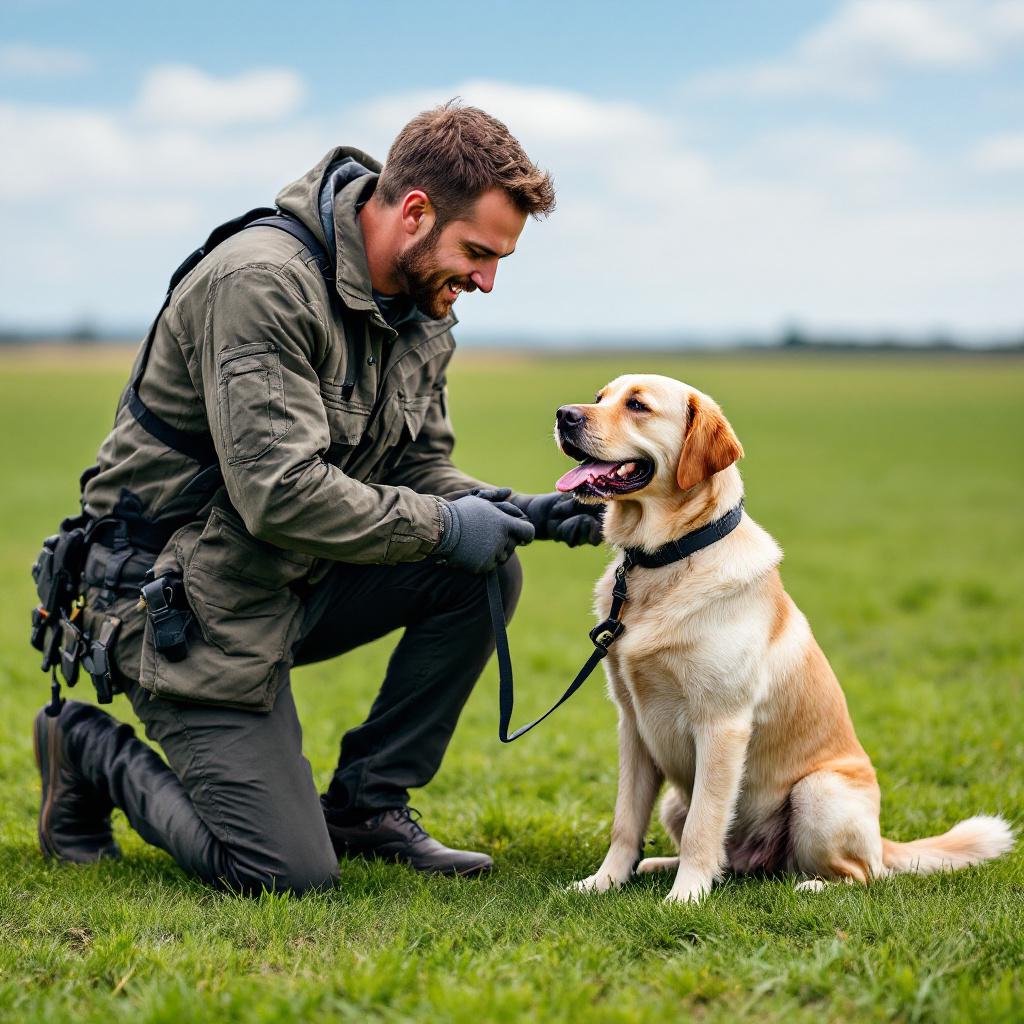
How long have you been training dogs professionally?
Experience matters in a field with no required licensing. A trainer with decades of operation has encountered and resolved situations that newer trainers have not. Look for consistency, not just duration. Has the business been in the same location, serving the same community, for an extended period?
Can I tour the facility before enrollment?
Any trainer who discourages facility visits is waving a red flag. A safe board and train program welcomes tours. You should see where your dog will sleep, eat, exercise, and train. You should meet the trainer in person.
What happens if my dog gets sick or injured?
The answer should include a specific veterinary protocol, not vague reassurances. Ask whether a veterinarian is on call and how quickly they can respond. Ask what the communication plan is if something happens.
What training methods do you use?
Listen for specifics. “Positive training” or “balanced training” are starting points, but you need to know what actually happens when your dog gets something wrong and what happens when they get it right. A trainer who cannot articulate their method should not be trusted with your dog.
How will you keep me updated during the program?
Two weeks is a long time to go without hearing about your dog. Ask whether you will receive updates, photos, or progress reports. A safe dog training program communicates proactively because they have nothing to hide.
What is included after the program ends?
Follow-up support separates serious trainers from opportunistic ones. Ask whether the program includes owner instruction, refresher sessions, or ongoing consultations. A one-and-done approach is a sign that the trainer prioritizes revenue over results.
Are you insured?
Business liability insurance protects both your dog and you. If a board and train program operates without it, your homeowner’s policy may not cover incidents that happen during the program. Ask to see a certificate of insurance.
Why 2,500+ Dogs Have Come Home Trained, Happy, and Healthy
At Dan Gentile Dog Training Center, board and train safety is not a talking point. It is built into everything we do. Our two-week Train While Boarding program has produced over 2,500 graduates, and our 4.9-star Google rating reflects what families experience when their dogs come home.
Here is what your dog gets during two weeks with us:
- Daily one-on-one obedience training: sit, down, stay, come, heel, leave it
- Impulse control and manners correction (jumping, nipping, excessive barking, chewing)
- Leash skills that hold in real-world environments
- Housebreaking reinforcement
- Socialization in a controlled, supervised setting
- A structured daily routine that builds confidence and reduces stress
Our facility is monitored by 24 cameras and a security alarm system. The building is heated and air-conditioned. A veterinarian is on call 24/7. Every dog sleeps in their own space with clean bedding, fresh water, and proper ventilation.
When your dog is here, they are not just safe. They are thriving.
The Pickup Day Experience
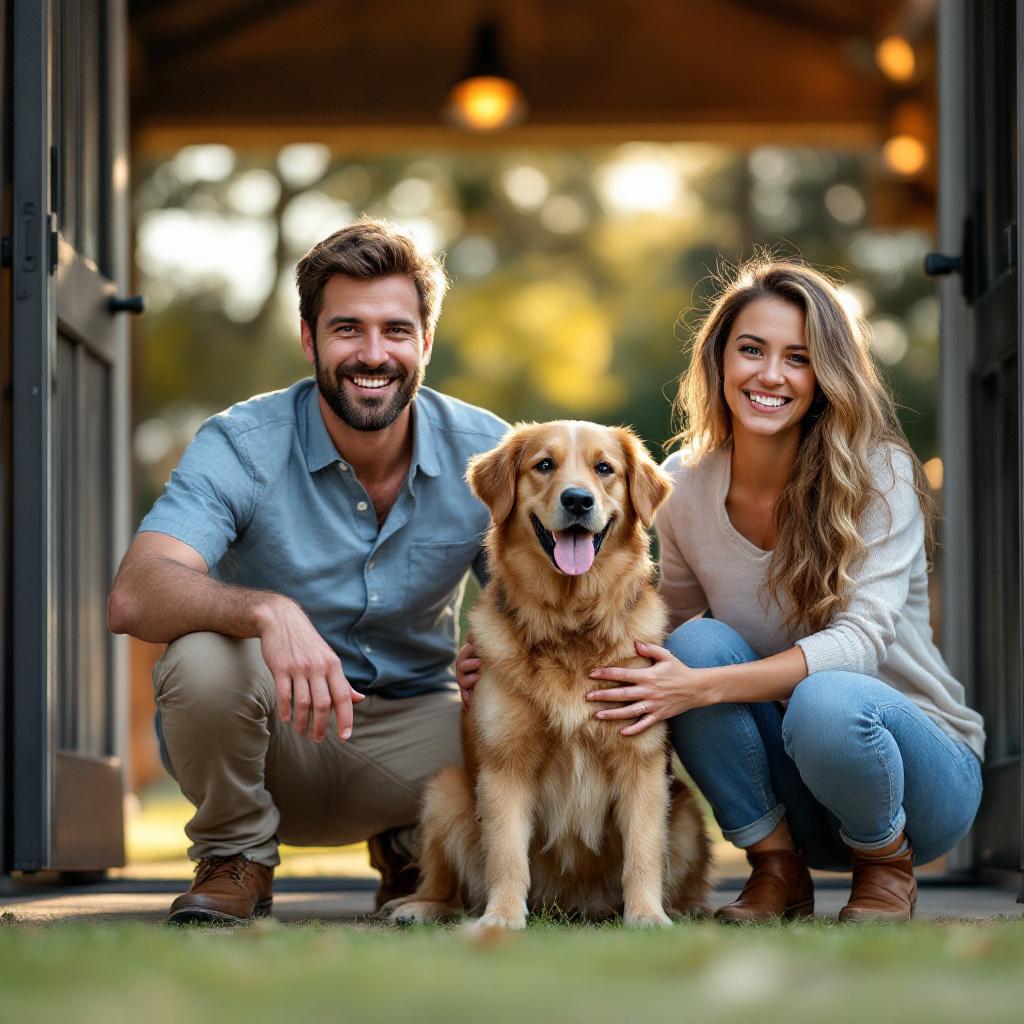
The moment you see your dog after two weeks of board and train is when everything clicks. Your dog walks on a loose leash. They sit when you stop. They come when called. They look at you differently because they understand the rules now.
But pickup day is not just a reunion. It is a training session for you. We walk you through every command your dog learned, show you how to reinforce it at home, and make sure you leave confident that you can maintain the results. And if a question comes up six months or six years later, our free lifetime consultation means you are never on your own.
That commitment to the long game is what makes a board and train program truly safe. It is not just about the two weeks. It is about the years that follow.
Board and Train Safety: Your Questions Answered
Is board and train safe for puppies?
Yes, when the program is designed for their developmental stage. We accept puppies starting at 3.5 to 4 months old, which is the ideal window for foundational training. Our facility provides age-appropriate care, and puppies receive the same structured training as adult dogs, adapted to their attention span and physical capabilities.
Will my dog be traumatized by being away from home for two weeks?
Most dogs settle into the routine within the first 48 to 72 hours. Dogs are adaptable, and the daily structure of training, exercise, meals, and rest gives them a predictable rhythm that actually reduces anxiety. Dogs that thrive on routine tend to do especially well in a board and train environment.
How do I know the training methods are humane?
Ask the trainer directly. A reputable board and train program will explain exactly what methods they use and why. At our facility, we use proven training methods focused on clear communication, consistent expectations, and building a dog that responds reliably out of understanding, not fear.
What if my dog has a medical condition?
Let us know before enrollment. Dogs with medical conditions may still be excellent candidates for board and train, but we need to coordinate with your veterinarian and make any necessary accommodations. Our on-call veterinarian is available around the clock for any health concerns that arise during the program.
Can I visit my dog during the two-week program?
We generally recommend allowing your dog to focus on training without interruption, as mid-program visits can disrupt the routine. However, we provide updates and are always available by phone if you want to check in. Every family receives a full walkthrough on pickup day.
What breeds do you work with in your board and train program?
We work with all breeds and sizes. Our two-week board and train program is designed to accommodate the temperament, energy level, and learning style of each individual dog, regardless of breed.
Is board and train worth the investment?
For most families, yes. The alternative is months or years of weekly classes, inconsistent practice at home, and a dog that never quite reaches reliable obedience. A two-week board and train program delivers concentrated, professional training that produces measurable results. Our free lifetime consultations extend the value well beyond the program itself.
How is your board and train program different from others in dog training NJ?
Over 40 years of continuous operation, 2,500+ dogs trained, a 12-acre purpose-built facility, a 4.9-star Google rating, a veterinarian on call 24/7, and free lifetime consultations. Those are what dog training NJ families deserve. They are the reality of our program. We invite you to tour the facility, meet us in person, and see for yourself.
Your Dog Deserves a Safe, Proven Program
If you are asking “is board and train safe,” you are already doing the right thing. The answer depends on who you trust with your dog. Call (732) 938-5040 for a free consultation, or visit us online to learn more about our Train While Boarding program. Tour the facility. Meet the team. Then decide.