
Why Is My Dog Constantly Biting and Scratching Himself?
“My dog is constantly biting and scratching himself, and I can’t figure out why!”
If you are saying this right now, you are not alone. Watching your furry best friend ruthlessly chew on their paws or scratch their ears all day is incredibly stressful. You need to figure out the root cause of your dog’s constant itching to protect their overall health.
While severe scratching could mean your dog is dealing with pesky fleas or a skin infection, many owners are shocked to learn that constant biting is actually a very common sign of canine boredom and anxiety.
Here is how to tell the difference and exactly how you can treat the problem.
Quick Answer: Medical vs. Behavioral Scratching
If your dog is constantly scratching, you must first rule out medical issues like allergies, yeast infections, or parasites. If your veterinarian gives your dog a clean bill of health but the biting continues, the issue is behavioral.
Dogs suffering from severe boredom or anxiety will often chew on themselves to self-soothe. At the Dan Gentile Dog Training Center, we specialize in correcting these anxious behaviors so your dog can finally relax.

Step 1: Rule Out Medical Causes of Dog Itching
Before you assume your dog has a behavioral issue, you must check for physical ailments. Your dog could have pruritus, which is a constant itching sensation caused by various underlying health issues.
The most common medical conditions that cause this extreme reaction include:
- Parasites: Fleas, ticks, and mites can easily get beneath your dog’s coat and constantly cause their skin to itch.
- Allergies: Just like humans, certain substances in the environment or ingredients in their food can provoke an allergic reaction in dogs, leading to severe skin redness or itchiness.
- Yeast Infections: These are very common infections that can deeply irritate a dog’s skin, especially around the paws and ears.
- Hormonal Imbalances: Fluctuations in your dog’s hormones can produce physical symptoms like skin irritation and hair loss.
How to Treat Medical Pruritus: If a medical condition is to blame, you must pinpoint and eliminate the specific trigger. This could mean using a vet-recommended flea and tick medication to eliminate parasites, or completely changing your dog’s diet if they are having an allergic reaction to an ingredient in their food. Always consult your veterinarian first.
Step 2: Address Behavioral Issues (Anxiety and Boredom)
If your vet says your dog does not have parasites or skin issues, you might be left wondering, “What else is causing this reaction?”.
If there is absolutely no evidence of a medical condition, your dog is likely biting and scratching out of intense boredom or because of underlying anxiety. Dogs that lack mental stimulation will often develop obsessive-compulsive behaviors, like constantly licking their paws or chewing on their tails, simply to give themselves something to do.
Taking care of your dog isn’t just about maintaining their physical health; it is also about ensuring their mental health. You must give your dog plenty of attention so they do not feel understimulated. They require plenty of structured exercise and daily entertainment to successfully alleviate boredom.
How to Treat Behavioral Scratching
If the scratching is a direct response to feelings of anxiety or boredom, you must take immediate steps to change your dog’s behavior.
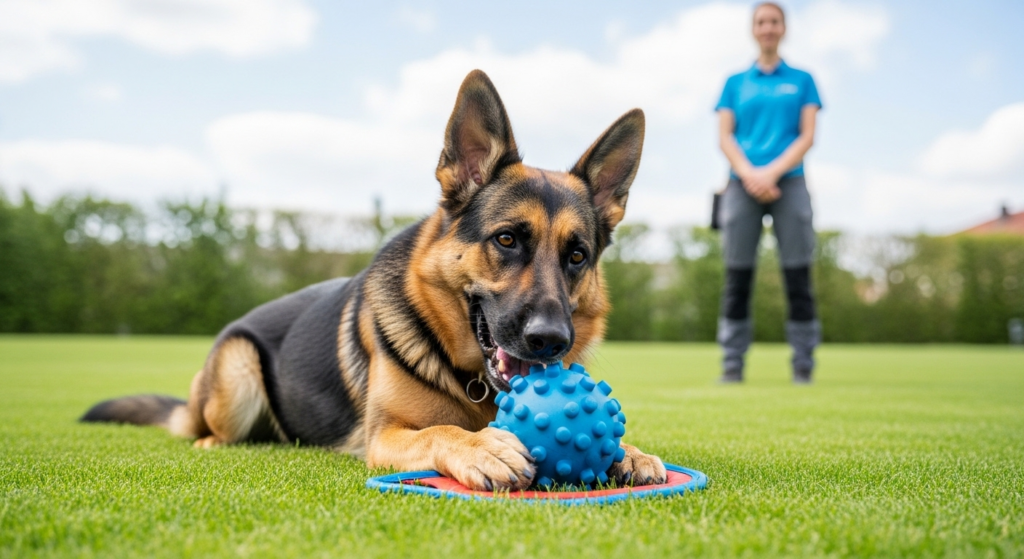
- Redirection: Train your dog to bite on a durable chew toy instead of their own skin to help them calm down when they feel anxious.
- Mental Stimulation: Prevent boredom by filling your home with stimulating puzzle toys.
- Physical Outlet: Ensure you are letting your dog release pent-up energy through structured walks and play throughout the day.
Get Professional Help at Our NJ Dog Training Center
If you are exhausted from wondering what to do about the constant biting and scratching, the final answer may lie in professional behavioral modification.
If your dog’s scratching stems from anxiety or lack of impulse control, bring them to our premier canine training center in NJ. At The Dan Gentile Dog Training Center, our expert trainers teach owners how to stop destructive habits and promote calm, obedient behaviors. We will work directly with you and your dog to permanently change their anxious behavior.
Call us today at (732) 938-5040 to get answers to your questions regarding canine behavior and see how much your dog can grow when you enroll them in our expert training program.