Expert Dog Behaviorist in New Jersey – Monmouth County & Howell Township
Dan Gentile Dog Training Center is the trusted dog behaviorist in New Jersey Monmouth County & Howell Township. We are the top choice for dog owners who want real, lasting solutions to challenging behaviors in NJ. As the leading dog behaviorist in New Jersey, we help families in Monmouth County, Howell Township, and beyond turn stressful situations into success stories.
If your dog struggles with fear, nervousness, or stress-related issues, our specialized fear and anxiety dog training in Monmouth County is designed to rebuild confidence and emotional balance. From excessive barking and destructive chewing to leash pulling, aggression, and separation anxiety, we offer proven, science-based programs that work.
Our goal is simple; to help you enjoy a calmer, better-behaved dog and a more peaceful home. Every day, we work with dog owners who are ready to take action and see results. We don’t just manage bad habits; we identify and address the root cause so your dog learns how to make better choices. With personalized training plans, hands-on guidance, and a track record of success, we make sure you feel confident that you’ve chosen the right partner to transform your dog’s behavior.
Quick Answer: The Leading Dog Behaviorist in New Jersey
Dan Gentile Dog Training Center is a trusted dog behaviorist in New York and the destination for fear and anxiety dog training in Monmouth County. Located on a quiet 12-acre facility in Howell Township, we specialize in rehabilitating nervous, fearful, and reactive dogs. Unlike standard obedience classes, which can overwhelm anxious pets, our clinical approach uses systematic desensitization and counter-conditioning to change your dog’s emotional response to triggers, building lasting confidence without the use of force.
Practice at a Glance
Specialty: Clinical Behavior Modification (Fear, Anxiety, Reactivity)
Location: Howell Township (Serving as a dog behaviorist in New Jersey & Tri-State)
Experience: 40+ Years of Professional Practice
Methodology: Science-Based, Positive Reinforcement, Force-Free
What Exactly is a Dog Behaviorist, and How Can We Help Your NJ Dog?
You might be familiar with dog trainers, but a dog behaviorist offers a distinct and deeper level of expertise. While trainers often focus on teaching obedience commands and basic manners, a behaviorist possesses advanced knowledge in animal learning theory, ethology (the study of animal behavior), and behavioral science. We’re equipped to tackle the most complex, severe, or persistent issues that traditional training methods might not resolve.
Our comprehensive approach as your New Jersey dog behaviorist includes:
- Thorough Assessment & Diagnosis: We don’t just treat symptoms. We conduct in-depth evaluations to understand the root causes of your dog’s behavior, considering everything from their history and environment to potential genetic predispositions and learned factors.
- Individualized Behavior Modification Plans: Every dog is unique, and so is their journey. We develop tailored, step-by-step plans designed specifically for your dog’s needs and your family’s lifestyle.
- Owner Education & Coaching: A crucial part of our process is empowering you. We’ll teach you the “why” and “how” behind your dog’s behavior and our recommended techniques, ensuring you have the tools and confidence for consistent implementation and long-term success.
- Science-Based & Humane Methods: Our solutions are rooted in evidence-based practices, focusing on positive reinforcement and force-free techniques. We believe in building trust and strengthening your bond, never resorting to punitive or fear-inducing methods.
We’re here to help you understand your dog’s world, address their challenges with compassion, and guide them toward a happier, more balanced life.
Do You Need a Trainer or a Behaviorist?
Understanding the difference is the first step to a solution.
Hire a Dog Trainer if: Your dog needs to learn skills like “Sit,” “Stay,” “Heel,” or needs help with manners like jumping on guests or pulling on the leash.
Hire a Dog Behaviorist if: Your dog is acting out of emotion (fear, panic, anxiety). If your dog destroys the house when left alone (separation anxiety), is terrified of thunderstorms, or reacts explosively to triggers, you need a dog behaviorist in New Jersey. We don’t just teach the dog what to do; we change how the dog feels.
Common Dog Behavior Problems We Expertly Address in New Jersey
Dog owners in New Jersey seek our help for a wide array of challenging behaviors. It’s important to remember that seeking professional help for these issues is a proactive and responsible step in pet ownership. Before any behavioral intervention, we always recommend consulting your veterinarian to rule out underlying medical conditions, as health issues can often manifest as behavioral changes.
Here’s a look at some of the most common issues we successfully resolve:
Common Dog Behavior Issues & Expert Solutions in New Jersey
| Behavior Problem | Brief Description (What it looks like) | How a Behaviorist Helps (Diagnostic Process, Specific Behavior Modification Techniques, Management Strategies, Owner Education & Support) |
| Separation Anxiety | Excessive vocalization (barking, whining, howling), destruction, inappropriate urination/defecation, excessive licking, pacing, panting, escape attempts when alone. | Accurate diagnosis differentiating from boredom; step-by-step treatment plan focusing on gradual desensitization to departure cues, counter-conditioning positive associations with being alone, environmental enrichment. |
| Fear & Phobias | Extreme fear or panic reactions to specific stimuli like thunderstorms, loud noises, strangers, or objects; tail tucked, fearful screams, avoidance. | Helping dogs build confidence and reduce fearful responses through positive exposure (desensitization) and changing emotional associations (counter-conditioning); specialized programs like “Growl Class”. |
| Compulsive Disorders | Repetitive behaviors such as tail chasing, shadow chasing, licking, spinning, pacing, chewing, toy fixation, interfering with daily life. | Comprehensive assessment to understand triggers; behavior modification techniques to redirect and replace compulsive behaviors; environmental enrichment. |
| Nuisance Barking | Excessive, inappropriate barking that disrupts household peace or neighbors. | Identifying the root cause of barking (e.g., boredom, anxiety, territoriality); implementing management strategies and training for appropriate vocalization. |
| House Soiling/Inappropriate Elimination | Urinating or defecating indoors outside of designated areas, when not medically related. | Rule out medical causes; identify behavioral triggers (e.g., anxiety, marking, lack of appropriate training); implement structured house-training protocols and environmental management. |
| Resource Guarding | Aggressive or defensive behaviors (growling, snapping) when possessing valued items like food, toys, or resting spots. | Safe and systematic counter-conditioning and desensitization protocols; management strategies to prevent guarding incidents. |
| Leash Reactivity | Excessive reactions (barking, lunging) to other dogs, people, or stimuli while on leash. | Identifying triggers; teaching alternative behaviors through positive reinforcement; controlled exposure and desensitization, owner handling skills. |
Understanding the Root of the Problem
Most “bad behaviors” are actually symptoms of an underlying emotional state.
Dogs often signal discomfort long before they react. A dog behaviorist in New Jersey, such as Dan Gentile, is trained to spot subtle signs of stress, such as lip-licking, yawning, or freezing, that occur before a dog feels the need to bark or growl. By identifying these early warning signs, we can intervene and change the behavior before it escalates.
How We Treat Anxiety: Understanding the Threshold
Many owners make the mistake of trying to “force” a dog to face their fears. This often backfires, leading to sensitization (making the fear worse). At Dan Gentile Dog Training Center, we work strictly below threshold.
The Fear Threshold Explained For a dog to learn, they must feel safe. If a dog is pushed too close to a scary trigger (like a stranger or another dog), their brain switches from “learning mode” to “survival mode.”
Green Zone (Under Threshold): The dog notices the trigger but is calm. This is where we train.
Red Zone (Over Threshold): The dog is barking, lunging, or shutting down. No learning happens here.
Our fear and anxiety dog training in Monmouth County involves identifying your dog’s specific distance threshold and gradually decreasing that distance while pairing the trigger with high-value rewards (Counter-Conditioning).
Is It Aggression or Is It Fear?
One of the most common reasons clients seek our help is “aggression.” However, in nearly 80% of cases, what looks like aggression is actually fear-based reactivity.
Dogs rarely bite without warning. They usually climb a “ladder” of signals to ask for space. If these whispers are ignored, the dog feels forced to shout (bite).
The Whispers: Yawning, lip licking, turning the head away.
The Shouts: Growling, snapping, biting.
Our behaviorists are trained to spot these micro-signals instantly. By advocating for your dog when they whisper, we teach them they don’t need to shout to feel safe.
A critical part of our behavioral assessment is distinguishing between leash reactivity and true human aggression. Many owners bring us dogs they believe are aggressive because the dog barks and lunges at strangers. However, a dog suffering from barrier frustration on a leash is often just overwhelmed by fear. We utilize careful counter-conditioning to show fearful dogs that the environment is safe, completely eliminating the need for their explosive, reactive displays.
The Immersive Solution: Our Board and Train Program for Complex Behaviors
For many of the complex issues we address, from deep-seated fears to persistent anxiety, the most effective path to resolution is a change of environment. That is why our Two-Week Board and Train Program is the cornerstone of our success as a New Jersey dog behaviorist.
This intensive program allows your dog to live with us at our state-of-the-art facility, fully immersed in a structured, calm, and consistent learning environment. This approach is a game-changer for several reasons:
- Breaking the Cycle: It removes your dog from the environment where problem behaviors are practiced and reinforced daily.
- 24/7 Consistency: Our expert trainers can provide round-the-clock guidance and reinforcement, something that is impossible to replicate with hourly sessions.
- Controlled Socialization: We can work on issues like reactivity in a safe, professionally managed setting.
- Building a New Foundation: We don’t just put a band-aid on the problem; we rebuild your dog’s behavioral foundation from the ground up, creating a calmer, more confident, and better-behaved companion.
This immersive model allows us to achieve in two weeks what might take many months of traditional training, making it the most efficient and effective solution for owners who need real, lasting change.
For more in-depth information on specific behavioral challenges, please visit our Dog Training Program page.
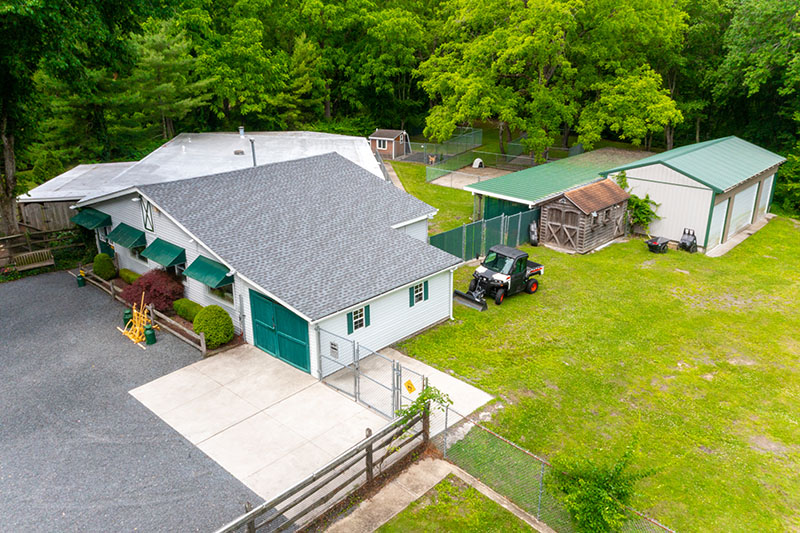
Serving Monmouth County, Howell Township & Beyond
If you’re searching for a trusted dog behaviorist in Monmouth County or Howell Township, NJ Dog provides expert guidance and real solutions.
Our dedicated professionals are committed to helping your dog overcome behavioral challenges and thrive in any environment.
Whether you need in-home consultations or facility-based training, we tailor our services to meet your needs.
Choosing the Right Dog Behaviorist in New Jersey: Credentials, Methods, and Trust
Navigating the world of dog behavior professionals can be confusing. How do you know you’re choosing the right expert for your beloved companion? At Dan Gentile Dog Training Center, we believe in transparency and empowering you with the knowledge to make an informed decision.
The Importance of Professional Credentials and Academic Background
When searching for a certified dog behaviorist in New Jersey, understanding their qualifications is paramount. Different certifications signify different levels of expertise and scope of practice:
- CPDT-KA (Certified Professional Dog Trainer – Knowledge Assessed): This certification indicates a strong understanding of dog behavior and training techniques.
- CBCC-KA (Certified Behavior Consultant Canine – Knowledge Assessed): This signifies expertise in behavior modification for problematic behaviors like aggression, anxiety, and fear.
- CDBC (Certified Dog Behavior Consultant): Another key certification for those specializing in behavior modification.
- DACVB (Diplomate of the American College of Veterinary Behaviorists): This is the highest level of certification. A DACVB is a Doctor of Veterinary Medicine (DVM) who has completed specialized residency training and is board-certified. These professionals can diagnose medical conditions underlying behavior issues and legally prescribe medication.
It’s crucial to differentiate between a general dog trainer (focused on obedience), a behavior consultant/modifier (addressing specific problems), a Certified Applied Animal Behaviorist (CAAB, with advanced academic degrees), and a Veterinary Behaviorist (DACVB, with a medical degree). We encourage you to learn more about our team’s specific credentials on our About Us Page.
Your Path to Success: What to Expect When Working With a New Jersey Dog Behaviorist
Embarking on a behavior modification plan can feel like a big step, but we make the process clear, supportive, and empowering. Our goal is to partner with you for long-term success. As the premier New Jersey dog behaviorist, we have refined a process that gets results and gives you confidence at every stage.
Step 1: The Initial Consultation.
Our journey together begins with a conversation. We listen carefully to your concerns, your dog’s history, and the specific challenges you’re facing in your home. This initial discovery phase is crucial for us to understand your goals and determine the best path forward.
Step 2: Comprehensive Behavioral Assessment.
Next, we conduct a thorough in-person assessment of your dog. This isn’t about judgment; it’s about observation. We analyze your dog’s reactions, identify triggers, and diagnose the underlying emotional or psychological drivers of the behavior. This deep dive allows us to move beyond the symptoms and get to the root of the problem.
Step 3: Your Customized Behaviour Modification Plan.
Based on the assessment, we develop a personalized, step-by-step training plan. This isn’t a generic handout; it’s a detailed strategy tailored to your dog’s specific needs, your lifestyle, and your goals. We will walk you through the entire plan, explaining the “why” behind each technique.
Step 4: Hands-On Coaching and Implementation.
This is where the transformation happens. We don’t just tell you what to do; we show you. Through hands-on coaching, we empower you with the skills and confidence to implement the plan effectively. You are a crucial part of the team, and our role as your New Jersey dog behaviorist is to make you an expert in your own dog’s behavior.
Step 5: Ongoing Support and Lasting Success.
Our commitment to you doesn’t end after a few sessions. We provide consistent follow-up and support to ensure the positive changes stick for good. With our lifetime support guarantee, you have a professional partner to turn to for any questions that may arise in the future.
Training Philosophy: Why Positive Reinforcement, Science-Based, and Force-Free Methods Matter
Our unwavering commitment at Dan Gentile Dog Training Center is to humane, positive reinforcement, and science-based methods. These approaches build trust, strengthen the human-animal bond, and lead to more lasting behavioral changes without causing fear or pain.
We explicitly advise against trainers who use punishment-based tools or techniques such as prong collars, choke chains, or e-collars, as these can suppress behavior without addressing the underlying cause and can damage your dog’s emotional well-being. Your dog’s emotional and physical well-being is our top priority.
Experience, Specialization, and Communication
Look for a dog behaviorist in Monmouth, NJ, with a proven track record in the specific problem your dog is facing. Our team has extensive experience successfully addressing a wide range of complex behavioral issues. Furthermore, a highly effective behaviorist will possess strong communication skills, clearly explaining techniques and expectations to both you and your dog, and listening attentively to your concerns. We believe in educating you every step of the way, ensuring you understand the “why” and “how” behind your dog’s behavior modification plan.
What Our Clients Say
We take pride in the lasting results we achieve with our habit correction training programs. Hear from satisfied clients on our testimonials page to see how NJ Dog has transformed dogs’ lives through expert behaviorist services.


The Cost of Dog Behaviorist Services in New Jersey
We understand that investing in professional dog behaviorist services is a significant decision, and cost is a natural concern. The cost of a dog behaviorist in New Jersey can vary considerably based on several factors: the type of service (e.g., group class vs. private in-home session), the experience and qualifications of the behaviorist, the duration of each session, and the complexity and severity of the behavioral issue being addressed.
We offer comprehensive, all-inclusive packages for our Two-Week Train While Boarding program. Because every dog’s behavioral needs are unique, please discuss your specific situation with us during a consultation to receive a personalized estimate.
Please discuss your specific situation with us during a consultation to receive a personalized estimate. Click here to learn more.
Specialized Behavioral Services: Separation Anxiety, Fear, and More
At Dan Gentile Dog Training Center, we specialize in tackling the most challenging behavioral issues, providing targeted, practical solutions that bring real relief to both dogs and their families.
Overcoming Dog Separation Anxiety in New Jersey
Separation anxiety is a common and heartbreaking problem, affecting 20-40% of dogs in North America. Symptoms can include excessive vocalization (barking, whining, howling), destructive chewing or digging, inappropriate urination or defecation, excessive licking, pacing, panting, and persistent attempts to escape when left alone. As your separation anxiety dog behaviorist in New Jersey, we accurately diagnose the issue, differentiating it from simple boredom. Our step-by-step treatment plan focuses on:
- Gradual Desensitization: Slowly acclimating your dog to your departures.
- Counter-Conditioning: Creating positive associations with being alone.
- Environmental Enrichment: Providing stimulating activities to reduce distress.
Addressing Fear and Phobias in Dogs
Fear and phobias (like thunderstorm phobia, noise phobias, or fear of strangers) significantly impact a dog’s quality of life. Our fearful dog behaviorists in New Jersey help dogs build confidence and reduce fearful responses through carefully structured positive exposure (desensitization) and changing emotional associations (counter-conditioning). We can help your dog navigate a world that feels overwhelming, transforming fear into confidence. Learn more about our specialized programs here.
Fear and Anxiety Dog Training in Monmouth County
If your dog struggles with fear and anxiety, you’re not alone. These are some of the most common issues pet owners face in Monmouth County. From fear of loud noises to anxiety around strangers or other dogs, these challenges can significantly impact your pet’s well-being and the peace of your household. Dan Gentile Dog Training Center offers specialized fear and anxiety dog training in Monmouth County designed to help dogs overcome these struggles with patience, science-based methods, and compassionate care.
Our process begins with a detailed assessment to uncover what triggers your dog’s anxiety. Once we understand the root cause, we create a personalized training plan that includes:
Confidence-Building Exercises: Helping your dog gain trust in themselves and their environment.
Gradual Exposure Training: Slowly and safely introducing your dog to triggers in a way that reduces fear over time.
Counter-Conditioning Techniques: Replacing negative emotional responses with positive associations.
Owner Coaching: Giving you step-by-step strategies to manage fear-based behaviors at home.
Monmouth County families choose us because we combine decades of experience with modern, positive reinforcement techniques that truly work. With the right guidance, even the most anxious dogs can learn to feel safe, secure, and confident in everyday situations.
If you’ve been searching for fear and anxiety dog training in Monmouth County, our expert team is here to provide real solutions. Together, we can help your dog move beyond fear and enjoy a calmer, happier life.
Common Anxiety Triggers in Monmouth County
Living in our region presents unique challenges for sensitive dogs. Our program is specifically tailored to desensitize dogs to common local environmental stressors, including:
Crowds & Boardwalks: Helping dogs navigate high-traffic areas like Asbury Park or Red Bank without panic.
Seasonal Fireworks & Thunder: Monmouth County experiences heavy summer storms and shore-town fireworks that terrify many pets.
Busy Suburban Streets: Reducing reactivity to passing delivery trucks, bicycles, and other dogs in tight neighborhoods like Freehold or Manalapan.
Why Choose Dan Gentile Dog Training as Your Premier Dog Behaviorist in New Jersey?
When it comes to your dog’s well-being, you deserve the best. Here’s why [Your Company Name] stands out as the leading dog behaviorist in New Jersey:
- Unmatched Expertise & Credentials: Our team comprises highly qualified professionals with and extensive academic backgrounds in animal behavior. We are committed to ongoing education and ethical practice.
- Compassionate, Science-Based Philosophy: We exclusively use positive reinforcement, force-free, and evidence-based methods that prioritize your dog’s emotional and physical health, fostering a stronger, more trusting bond.
- Truly Tailored Approach: We never use a one-size-fits-all solution. Every behavior plan is customized after a thorough assessment, ensuring it meets your dog’s unique needs and integrates seamlessly into your family’s life.
- Extensive Experience: With 40+ years of experience, we’ve successfully transformed the lives of countless dogs and their families across New Jersey, handling even the most complex cases.
- Dedicated Client Education: We empower you with the knowledge and skills to understand and manage your dog’s behavior, ensuring long-term success and a confident partnership.
- Proven Results: Our detailed client success stories and glowing testimonials speak to the profound, positive impact we’ve had on dogs and their families throughout the state.
Serving New Jersey: Our Local Reach and Commitment
We are proud to be your local dog behaviorist in New Jersey, and we are deeply committed to serving our community. We offer flexible service options, including in-home consultations, facility-based training, and virtual consultations, designed for the convenience of NJ residents.
We proudly serve New Jersey and the whole Tri-state area. No matter where you are, we’re here to help.
New Jersey Dog Behaviorist FAQs
Who is an expert on dog behavior?
A true expert on dog behavior is a professional with verified academic credentials and certification. The highest qualifications are held by Certified Applied Animal Behaviorists (CAABs) or board-certified Veterinary Behaviorists (DACVBs), who have advanced degrees in animal behavior. Other highly qualified professionals are often certified by reputable organizations like the International Association of Animal Behavior Consultants (IAABC). When searching for a New Jersey dog behaviorist, it’s crucial to look for these credentials to ensure the individual has a scientific understanding of why behaviors occur and how to ethically resolve them.
How to find a qualified dog behaviourist?
Finding a qualified dog behaviorist requires careful research. Here are the best steps to take:
- Ask for a Referral: Your veterinarian is an excellent source for trusted referrals.
- Check Certifications: Look for professionals certified by organizations like IAABC, CAAB, or DACVB.
- Inquire About Methods: A qualified behaviorist should use modern, humane, and science-based methods like positive reinforcement. Be wary of anyone promising quick fixes or using punishment-based tools (e.g., prong or shock collars).
- Read Reviews: Search for testimonials and reviews from other clients. Finding a reputable New Jersey dog behaviorist like Dan Gentile Dog Training Center with a strong track record is a key indicator of quality.
What is the difference between a dog trainer and a behaviorist?
While the terms are often used interchangeably, there is a significant difference.
- A Dog Trainer primarily focuses on teaching skills and commands, such as ‘sit,’ ‘stay,’ ‘come,’ and walking politely on a leash. They work on obedience and manners.
- A Dog Behaviorist focuses on the underlying emotional and psychological reasons for a dog’s actions. A New Jersey dog behaviorist addresses complex issues like separation anxiety, aggression, resource guarding, and phobias. They typically have a more advanced academic background in animal behavior to diagnose and create comprehensive behavior modification plans.
What does a behaviorist do for a dog?
A behaviorist acts as a detective and a therapist for your dog. The process involves:
- Assessment: Conducting a thorough evaluation of your dog’s history, environment, health, and the specific problem behaviors.
- Diagnosis: Identifying the root cause and motivation behind the behavior (e.g., fear, anxiety, lack of socialization).
- Behavior Modification Plan: Creating a detailed, customized plan for you to implement. This includes management strategies to ensure safety, and specific exercises to help change your dog’s emotional response and behavior over time.
- Support & Follow-Up: Providing ongoing guidance and adjusting the plan as your dog progresses.
Are there different types of dog training?
Yes, there are several core methodologies in dog training. The most prominent is Positive Reinforcement, which involves rewarding desired behaviors to make them more likely to occur. This science-based method builds a strong, positive relationship between the owner and dog. Other methods include traditional or “balanced” training, which may use a mix of rewards and physical corrections. As a leading New Jersey dog behaviorist practice, we exclusively use positive reinforcement, as it is proven to be the most effective and humane approach for long-term behavioral health.
What is the hardest type of dog to train?
This is less about a specific breed and more about individual temperament, past experiences, and genetics. Dogs that are often considered “hard to train” are typically those who were bred for independent work (e.g., hounds, terriers) or those suffering from significant fear, anxiety, or a history of trauma. From our experience as a New Jersey dog behaviorist team, the most challenging cases involve deep-seated fear and anxiety, as these require changing the dog’s entire emotional state, not just teaching a command. However, with patience and the right approach, every dog can learn and improve.
What are the 4 stages of dog training?
The four generally accepted stages for teaching a new behavior are:
- The Luring/Acquisition Stage: Using a treat or toy to guide the dog into the desired position (e.g., luring their head up and back to cause a ‘sit’).
- The Fading Stage: Gradually reducing the use of the lure, transitioning to a hand signal or other less obvious prompt.
- The Cue Stage: Adding a verbal cue (like the word “Sit”) just before the hand signal, so the dog begins to associate the word with the action.
- The Proofing/Generalization Stage: Practicing the behavior in different locations and with various distractions to make it reliable in any situation.
What is the most popular method of dog training?
By far, the most popular and professionally endorsed method of dog training today is Positive Reinforcement. This approach is supported by animal behaviorists, veterinary associations, and humane societies worldwide. It focuses on rewarding the behaviors you want to see, which makes training a fun and engaging experience for the dog. Because it strengthens the human-animal bond and avoids the potential fallout of punishment (like increased fear or aggression), it is the standard for any reputable New Jersey dog behaviorist like us.
Do you use medication for anxiety?
As behaviorists, we work on behavior modification. However, for extreme cases of chemical imbalance or panic disorders, we may recommend you consult with a Veterinary Behaviorist (DACVB) to discuss medication in conjunction with our training protocols.
Why is board-and-train better for anxious dogs?
Anxious dogs crave routine. Your home may unknowingly have “triggers” that reinforce the fear. Our facility provides a neutral, quiet, and highly structured environment where the dog can “reset” their cortisol levels and learn new coping mechanisms without daily stressors.
Take the First Step Towards a Happier Dog Today!
Enjoy This Article? You May Also Like:
- Professional Dog Obedience Training in Monmouth, New Jersey
- Dog Training in Monmouth County, NJ: Expert Canine Skills
- Training Your Dog for Traveling: A Complete Guide to Stress-Free Trips
- How To Keep Your Dog Busy When You’re Busy