10 Most Stubborn Dog Breeds (And How a Pro Trainer Handles Them)
We have all been there. You ask your dog to “Sit,” and they look at you, look at the treat, look back at you, and walk away. It is frustrating, embarrassing, and exhausting. But before you blame yourself, look at your dog’s DNA.
As a professional dog trainer with over 40 years of experience in New Jersey, I can tell you: Stubbornness is often just intelligence disguised as independence. Many of the breeds listed below were not bred to listen to humans; they were bred to work alone. They were hunters, guardians, and sled pullers who had to make their own decisions to survive. They aren’t “bad” dogs, they just need a different kind of leadership.
If you own one of these breeds, standard training might not work. Here are the Top 10 Most Stubborn Dog Breeds and my professional advice on how to actually get them to listen.
Quick Answer: The 10 Most Stubborn Dog Breeds & How to Train Them
Why are some dogs stubborn? “Stubbornness” is often actually intelligence or independence. Breeds developed for working tasks (like guarding or hunting alone) were bred to make their own decisions, not blindly follow commands.
The Top 10 Most Challenging Breeds:
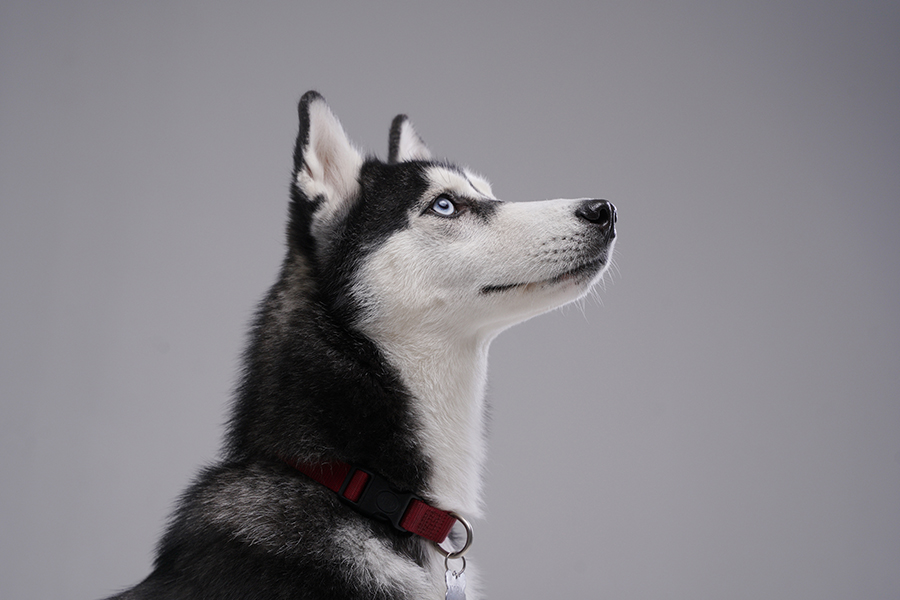
- Siberian Husky: Highly independent and vocal.
- Beagle: Ruled by their nose; easily distracted.
- Dachshund: Bred to be fearless and persistent.
- English Bulldog: Low energy; unmotivated by praise.
- Jack Russell Terrier: High energy; easily bored.
- Great Pyrenees: Independent guardians who think before acting.
- Chihuahua: Prone to “Small Dog Syndrome” if baby-ed.
- Scottish Terrier: Sensitive and aloof with strangers.
- Shiba Inu: Cat-like personality; needs high motivation.
- Basset Hound: Stubborn scent hound; difficult to motivate.
The Secret to Training Them: Avoid repetition. Use high-value rewards (meat, cheese), keep sessions short (5-10 mins), and use the “Nothing in Life is Free” protocol to establish leadership without force
The 10 Most Stubborn Dog Breeds That Challenge Every Owner
1. Siberian Husky (The Drama Queen)
Why They Are Stubborn: Huskies were bred to run hundreds of miles in the Arctic, often making life-or-death decisions without a human’s input. If they thought the ice was thin, they ignored the musher. Today, that translates to a dog that will argue with you (literally vocalizing) if they disagree with a command.
Trainer’s Insight:
You cannot force a Husky. You have to convince them. They are high-energy working dogs. If you don’t drain their energy (run, hike, bike), their brain will never focus on training. A tired Husky is a trainable Husky. Establishing perfect leash training manners is absolutely critical for these powerful pullers so you can safely and effectively burn off that physical energy on a daily basis.

2. Beagle (The Nose with Legs)
Why They Are Stubborn: A Beagle’s nose is more powerful than their ears. Once they catch a scent, the rest of the world (including you) ceases to exist. They aren’t ignoring you to be mean; they are biologically programmed to follow the smell.
Trainer’s Insight: Do not compete with the nose; use it. Training needs to happen in low-distraction environments first. If you try to teach recall in a field full of bunny scents, you will lose every time.
3. Dachshund (The Napoleon)
Why They Are Stubborn: Don’t let their size fool you. Dachshunds were bred to hunt badgers—animals three times their size—inside dark tunnels. They had to be fearless, relentless, and independent.
Trainer’s Insight: They are master manipulators. They will use their “cute” factor to get out of work. You must be incredibly consistent. If you let them break a rule once, they will break it forever.

4. English Bulldog (The Brick Wall)
Why They Are Stubborn: Bulldogs are energy conservers. They are not highly motivated by running or pleasing you. If they don’t see the point of moving, they simply won’t.
Trainer’s Insight: Motivation is key here. Praise isn’t enough. You need high-value food rewards (cheese, liver, hot dogs) to make it worth their while. Keep training sessions very short (5 minutes) before they get bored or tired.
5. Jack Russell Terrier (The Energizer Bunny)
Why They Are Stubborn: These are big dogs in small bodies. They are tenacious, high-energy hunters who get bored in seconds. If you are boring, they will find their own entertainment (usually destroying your couch). We highly recommend reading our expert guide on what to do with a bored dog to learn how to properly mentally stimulate these intelligent terriers using puzzle feeders and structured routines.
Trainer’s Insight: Speed is everything. Slow, repetitive obedience drills will make a Jack Russell act out. Keep training fast, fun, and moving.

6. Great Pyrenees (The Independent Guardian)
Why They Are Stubborn: These dogs were bred to guard sheep on mountains for weeks without a shepherd. They are used to assessing threats and making decisions alone. They often see commands as “suggestions.”
Trainer’s Insight: They are slow thinkers, not stupid. Give them time to process a command. Do not repeat “Sit, Sit, Sit!” Say it once, and wait. They often need to decide if listening to you is the right move.
7. Chihuahua (The Napolean Complex)
Why They Are Stubborn: Often treated as “purse dogs” rather than actual dogs, Chihuahuas frequently develop “Small Dog Syndrome.” They become possessive and aggressive because owners don’t correct bad behavior.
Trainer’s Insight: Train them like a Doberman. Seriously. Require the same manners (Sit, Stay, Off) that you would from a 100lb dog. The moment you treat them like a capable dog, their behavior improves.
8. Scottish Terrier (The “Diehard”)
Why They Are Stubborn: The Scottie is known as the “Diehard” for a reason. They are tough, aloof, and extremely sensitive to criticism. If you are harsh with a Scottie, they will shut down completely.
Trainer’s Insight: They bond deeply with one person. If you are that person, you have a chance. Use positive reinforcement and respect. Never try to bully a terrier into submission.

9. Shiba Inu (The Cat-Dog)
Why They Are Stubborn: Shiba Inus are notoriously fastidious and independent, often described as having cat-like personalities. They are clean, quiet, and generally uninterested in doing what you want just to make you happy.
Trainer’s Insight: You must answer the question, “What’s in it for me?” Shibas need to know the payout is guaranteed. Do not work for free with this breed.
10. Basset Hound (The Stone)
Why They Are Stubborn: Like the Beagle, they are ruled by their nose. But combined with a heavy, lethargic body, getting a Basset to move when they don’t want to is like trying to move a parked car.
Trainer’s Insight: Patience. If you get frustrated, you lose. Use strong-smelling treats to lure them into motion.
How to Train the Untrainable
If you own one of these breeds, you are not doomed. You just need a different strategy.
1. Ditch the “Cookie Cutter” Approach
Generic advice works for Golden Retrievers. It does not work for Huskies. You need to understand your dog’s specific genetic drive (Prey? Scent? Guarding?) and use it as a reward.
2. The “Nothing in Life is Free” Protocol
Stubborn dogs often believe they are in charge. You need to gently flip that dynamic.
Want dinner? Sit first.
Want to go outside? Wait at the door.
Want the ball? Look at me. This teaches them that you are the source of all good things.
3. Stop Repeating Yourself
If you say “Come… Come… Come!” and your dog ignores you, you have just taught them that the command is optional. Say it once. If they don’t listen, you need to reinforce the command (using a leash or lure), not just repeat the word.
Stop Calling Your Independent Dog Spiteful
When your Beagle stares right at you and then immediately chews on your favorite shoe, it feels incredibly personal. You assume they are acting out of spite. They are not. Dogs do not possess the complex human emotion of revenge.
When you label an independent breed as spiteful, you get angry. You lose your patience. Intelligent dogs like a Great Pyrenees or a Husky will immediately sense that emotional frustration and shut down completely. They simply view you as an unstable, unpredictable leader.
We have to change your mindset before we can change the dog. You must view their disobedience as a lack of clear communication rather than a personal attack. You can read stories from owners who successfully shifted their mindset and saved their relationship with their dog on our Testimonials page.
When to Call in the Heavy Artillery
There is a difference between a dog that is “stubborn” and a dog that is taking over your house. If your independent breed is showing signs of aggression, resource guarding, or refusing to let you handle them, it is time for professional help.
Dan Gentile Dog Training Center doesn’t fear stubborn breeds. We specialize in them. Our highly-rated doggie boot camp and board and train programs along with our dedicated dog training boot camp are often the exact breakthrough these intelligent dogs need. We remove them from their environment, reset their habits right at our private 12-acre Howell Township facility, and teach them that listening to you is actually the best deal in town.
Do you have a stubborn dog driving you crazy? Don’t fight their DNA alone. Contact us today for an evaluation.
Call: (732) 938-5040
Location: Howell Township, NJ
Browse Programs: View Dog Training Programs
Frequently Asked Questions: Most Stubborn Dog Breeds
1. Which stubborn breeds are best for experienced owners?
While the most stubborn dog breeds can be challenging, they are rewarding for owners who understand canine psychology. Breeds like Akita, Siberian Husky, and Chow Chow are best for experienced handlers. These dogs were bred for independent decision-making and do not naturally seek human guidance. Experienced owners know training requires patience, consistency, and firm but fair leadership rather than brute force. Many of these breeds benefit from professional behavior modification to channel their independence into productive habits.
2. Training methods that work for independent breeds
Independent breeds respond best to training methods that respect their intelligence:
- High-Value Motivation: Use high-value rewards like real meat or favorite toys.
- Short, Fun Sessions: Keep sessions under 10 minutes to maintain interest.
- No Free Lunch: Implement the “Nothing in Life is Free” protocol. Dogs must perform tasks before receiving food, walks, or affection, establishing leadership without confrontation.
3. How to socialize a stubborn puppy effectively?
Socializing stubborn puppies requires diligence:
- Start Early: Critical socialization window closes around 16 weeks.
- Positive Association: Pair every new person or dog with high-value treats.
- Focus on Engagement: Teach the puppy to look at you when distracted to maintain control.
4. Which stubborn breeds are good with children?
Some stubborn breeds are excellent family dogs:
- English Bulldogs: Stubborn but gentle and patient with kids.
- Boxers: Headstrong and energetic, yet playful and protective.
- Beagles: Scent-driven and sometimes selectively deaf, but merry, non-aggressive, and great for active families.
5. Common causes of stubborn behavior in dogs
Stubbornness often reflects a mismatch in motivation:
- Boredom: Intelligent dogs need mental stimulation or they may ignore commands.
- Lack of Motivation: If the reward isn’t appealing, independent dogs won’t comply.
- Unclear Communication: Inconsistent commands or gray areas let stubborn dogs exploit loopholes. Clear, consistent rules are essential.
6. Are stubborn dogs less intelligent?
Actually, the opposite is usually true. Most “stubborn” breeds (like Huskies and Poodles) are highly intelligent. They are smart enough to manipulate situations and question why they should obey. They require mental stimulation, not just repetition.
7. Can a stubborn dog be off-leash reliable?
It is difficult, but possible. Breeds with high prey drive (Beagles, Huskies) are risky off-leash because their instinct to chase often overrides their training. Professional E-Collar training or advanced recall training is usually required for these breeds to be safe off-leash.
8. What is the hardest age for stubborn dogs?
Adolescence (6 months to 18 months). This is the “teenage phase” where hormones kick in and they test every boundary. Consistency during this window is critical.
9. Is professional Board and Train worth it for stubborn breeds?
Yes. Stubborn dogs often need a “hard reset” on their habits. A 2-week immersive Board & Train Program establishes a foundation of discipline that is very hard to build with just weekly 1-hour lessons.
Get Professional Training for Your Dog
Do you have one of the most stubborn dog breeds? The Dan Gentile Dog Training Center experts can set you and your pet on the right path with professional dog training in Monmouth County!
Learn more about whether all dog breeds are trainable, then contact The Dan Gentile Dog Training Center in Howell Township, NJ, and learn about our obedience training program. Call us today at (732) 938-5040.