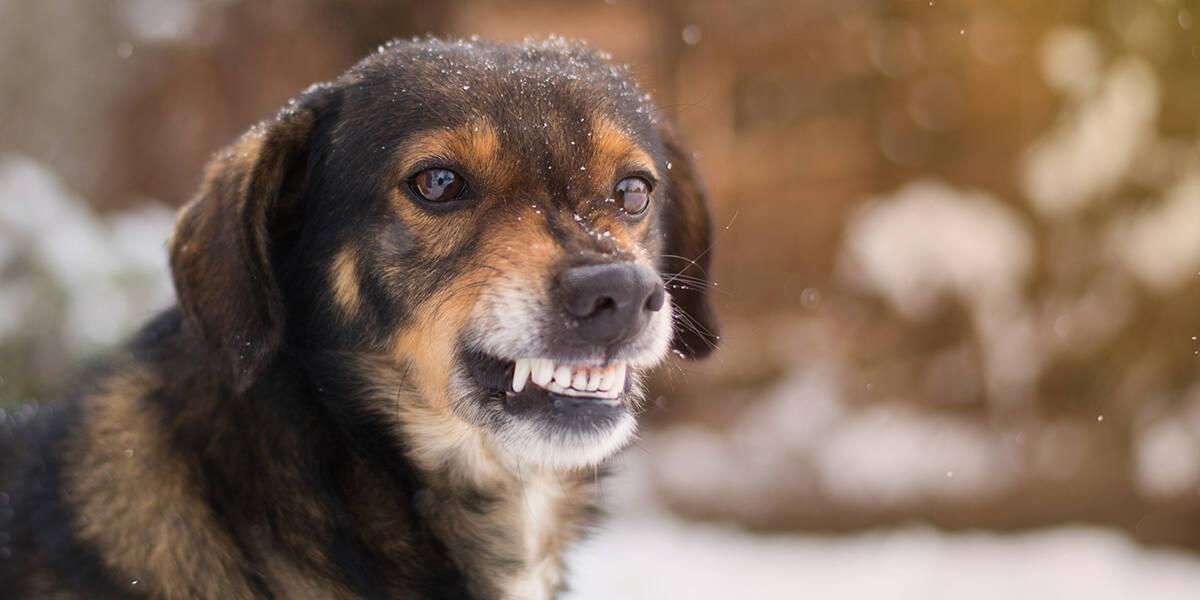
Why Does My Dog Growl at One Family Member?
⚠️ Growling at one person is a behavior problem worth solving early.
Don’t wait for it to escalate — our board-and-train program addresses the trigger head-on. Call (732) 938-5040 for a free consult to discuss your dog’s behavior.
Dogs are loyal, protective animals. When they sense that something is wrong, they’ll often start growling. Sometimes, dogs will direct their aggression toward a single family member.
When that happens, you might wonder, “Why does my dog growl at one family member?” As a professional dog trainer in NJ, The Dan Gentile Dog Training Center shares the factors to keep in mind to address your dog’s aggressive behavior.
Quick Answer: Why Is My Dog Growling at Just One Person?
A dog rarely growls at one specific family member out of “hate” or “dominance.” The most common causes are fear or resource guarding.
That person likely has a trait (deep voice, height, quick movements) that triggers the dog’s anxiety, or the dog sees them as a threat to a high-value resource (like you or a food bowl). Immediate Action Plan:
Do NOT Punish: Scolding a growl removes the warning signal, which can lead to a bite without warning next time.
Create Space: Immediately separate the dog and the person to a safe distance.
Stop Forced Contact: Do not force the dog to “make friends.” Let them approach on their own terms only when calm.
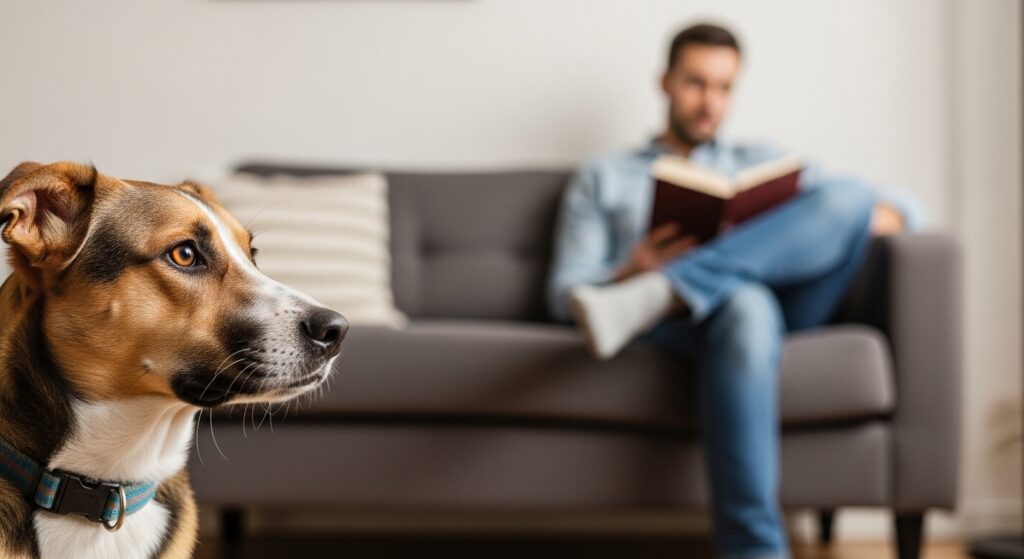
STOP: Immediate Safety Rules
Before you read why this is happening, you must stop the behavior from escalating into a bite.
Do NOT Punish the Growl: The growl is a warning alarm. If you punish the alarm (by yelling or hitting), the dog learns to stop warning and simply bite without notice.
Stop Forcing Interaction: Do not force the dog to “kiss and make up” with the family member. This confirms the dog’s fear that their boundaries are being violated.
Create Distance: Immediately separate the dog and the family member to a distance where the dog stops growling and relaxes.
The Real Reason Why Your Dog Growls at One Family Member: The “Trigger Stacking” Effect
While past trauma can be a factor, the most common reason a dog targets one person is “Trigger Stacking.” Think of your dog’s stress like a bucket. Throughout the day, small stressors fill the bucket:
Trigger 1: The family member has a deep voice (Scary).
Trigger 2: The family member wears a hat or sunglasses (Confusing).
Trigger 3: The family member moves quickly or stares directly at the dog (Threatening).
Individually, these are minor. But stacked together, they overflow the bucket, causing the dog to growl at that specific person even if they love everyone else.
Pay Attention While the Situation Unfolds
The next time your dog meets the family member in question, take a moment to see how the situation plays out. You can pick up on cues from the dog’s behavior and how it responds to what the family member is doing. Some things to watch out for include:
- Whether your dog is protecting a resource like food, water, toys, other pets, or another person
- If your dog growls at the family member nonstop or only when they do certain things
- Whether the family member has dogs of their own that your dog is smelling
How to Stop Your Dog From Growling at One Family Member
Oftentimes the best way to address the question of “Why does my dog growl at one family member?” is by retraining them with a professional dog trainer. However, there are steps you can take to help with your dog’s behavior.
Learn to Lead Your Dog
Dogs respond best when you assume a parental role. This means teaching them to follow commands like getting off the furniture and going to the confinement area on command. Over time, your dog will start acting the way you’ve taught it to and should be more well-behaved around less familiar faces.
The Fix: The “Treat-Retreat” Game
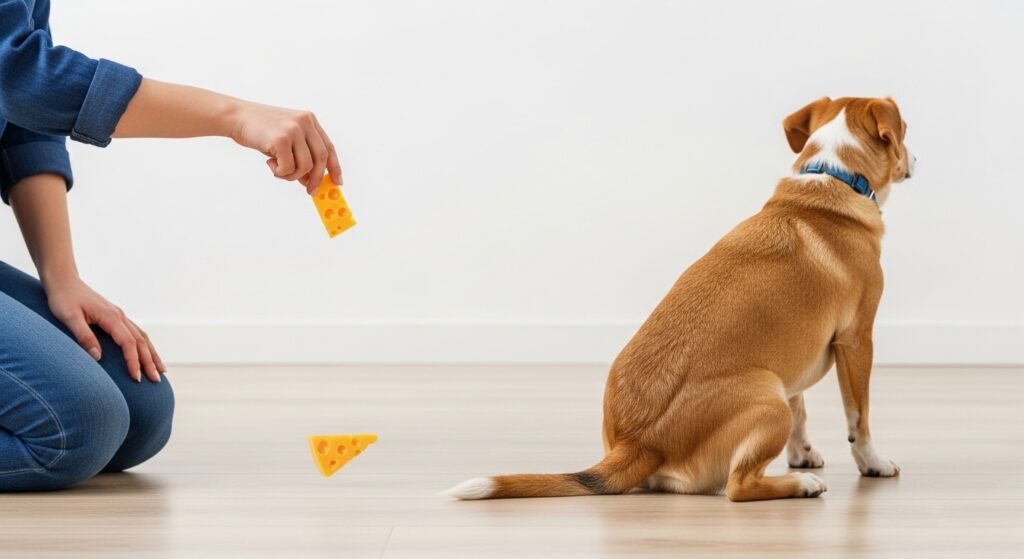
Do not have the feared family member hand-feed the dog directly. This creates conflict (the dog wants the food but fears the hand). Instead, play “Treat-Retreat”:
The Setup: Have the family member sit quietly, ignoring the dog (no eye contact).
The Toss: The family member tosses a high-value treat (like cheese) behind the dog.
The Retreat: The dog has to move away from the scary person to get the reward.
The Result: This relieves social pressure. The dog learns that the “scary person” makes good things happen without forcing interaction. Repeat this daily until the dog looks happy to see the person.
Take Protective Measures
If your dog’s being particularly aggressive, such as attempting to nip or bite your family member, then you may want to consider confining your dog or using a muzzle. Keeping them in a separate room might be the only way to avoid an accident from unfolding.
Recognizing the Warning Signs
Before a dog growls, they usually give silent warnings. If you catch these, you can separate them before the growl happens.
Whale Eye: Showing the whites of their eyes.
Freezing: The dog suddenly goes still and stiff.
Lip Licking: Frequent, nervous licking of the nose.
If your dog is continuously trigger-stacking and directing aggression at a family member, attempting to fix the issue in the chaotic home environment is often dangerous and ineffective. The dog needs a complete psychological break from the triggers. Our Board & Train Program on our private 12-acre campus provides this critical decompression. We safely assess the root of the fear or resource guarding without the targeted family member present, build the dog’s impulse control, and then conduct a comprehensive turnover session to safely reintegrate the dog back into your household dynamics.
Dog Growling at One Person: Quick Answers
Why does my dog growl at only one family member?
Growling aimed at one person usually points to a specific trigger tied to that person, such as how they move, handle the dog, or manage resources like food and space. It is communication, not random, and it is worth addressing early.
Is growling at one person dangerous?
Growling is a warning, not the bite itself, but it should not be ignored or punished away. Suppressing the growl can remove the warning without fixing the cause. The goal is to change how the dog feels about the trigger.
How do I stop my dog from growling at one person?
Consistent structure and controlled desensitization change the underlying response over time. For persistent growling, a professional board and train works the trigger head-on with daily, consistent reps.
Growling that is tied to one person is a trigger you want addressed early. For persistent cases, a two-week dog board and train in New Jersey program works the behavior head-on with a professional trainer running daily reps.
Serving the area? Our board and train dog trainers in Monmouth County can assess the growling in person and tell you honestly whether it is a fit for the program.
Frequently Asked Questions About Targeted Growling
1. Should I punish my dog for growling at my spouse or child?
No. Never punish a growl. A growl is a communication tool—it is your dog saying, “I am uncomfortable, please give me space.” If you punish the growl, you teach the dog to stop warning you. The next time they feel threatened, they may skip the growl and go straight to a bite.
2. Why does my dog only growl at men (or my husband/dad)?
This is very common. Men often have deeper voices, broader chests, and walk with a more direct, heavy stride than women or children. To a fearful or anxious dog, these physical traits can be intimidating triggers, even if the man is gentle.
3. Is my dog trying to be “alpha” over that family member?
Likely not. While it might look like dominance, it is almost always rooted in fear or insecurity. The dog feels the need to defend themselves or their space because they do not trust that specific person. True “dominance” is rare; fear is common.
4. Can a dog who growls be cured?
Yes, behavior modification is very effective. By using counter-conditioning (teaching the dog that the person predicts high-value treats) and desensitization (exposure at a distance), you can change the dog’s emotional response. However, safety management must be strict during this process.
5. What is “Trigger Stacking” and how does it cause growling?
Trigger Stacking is when small stressors add up. Maybe your dog had a vet visit (Stress 1), then heard thunder (Stress 2), and then your husband walked in wearing a hat (Stress 3). The dog growls at the husband not because of the hat, but because their “stress bucket” overflowed.
Train Your Dog Through The Dan Gentile Dog Training Center
If you’re wondering, “Why does my dog growl at one family member?” or notice your beloved pet exhibiting alpha dog behavior, then we’re here to help. At The Dan Gentile Dog Training Center, our Monmouth County dog training programs have helped owners retrain their dogs through patience and understanding for over 40 years. We are veteran-owned and on-call 24/7 for your pet-related needs.
Don’t Wait for a Bite. Call Us Today
Growling is a conversation you cannot afford to ignore. If your dog is growling at a family member, the risk of a bite increases every day. At The Dan Gentile Dog Training Center, we specialize in reactive dog training and behavioral modification for aggression. Families near Freehold can start with our dog training in Freehold programs. We can identify the specific triggers and teach you how to manage them safely. Call (732) 938-5040 immediately to schedule a behavioral assessment.