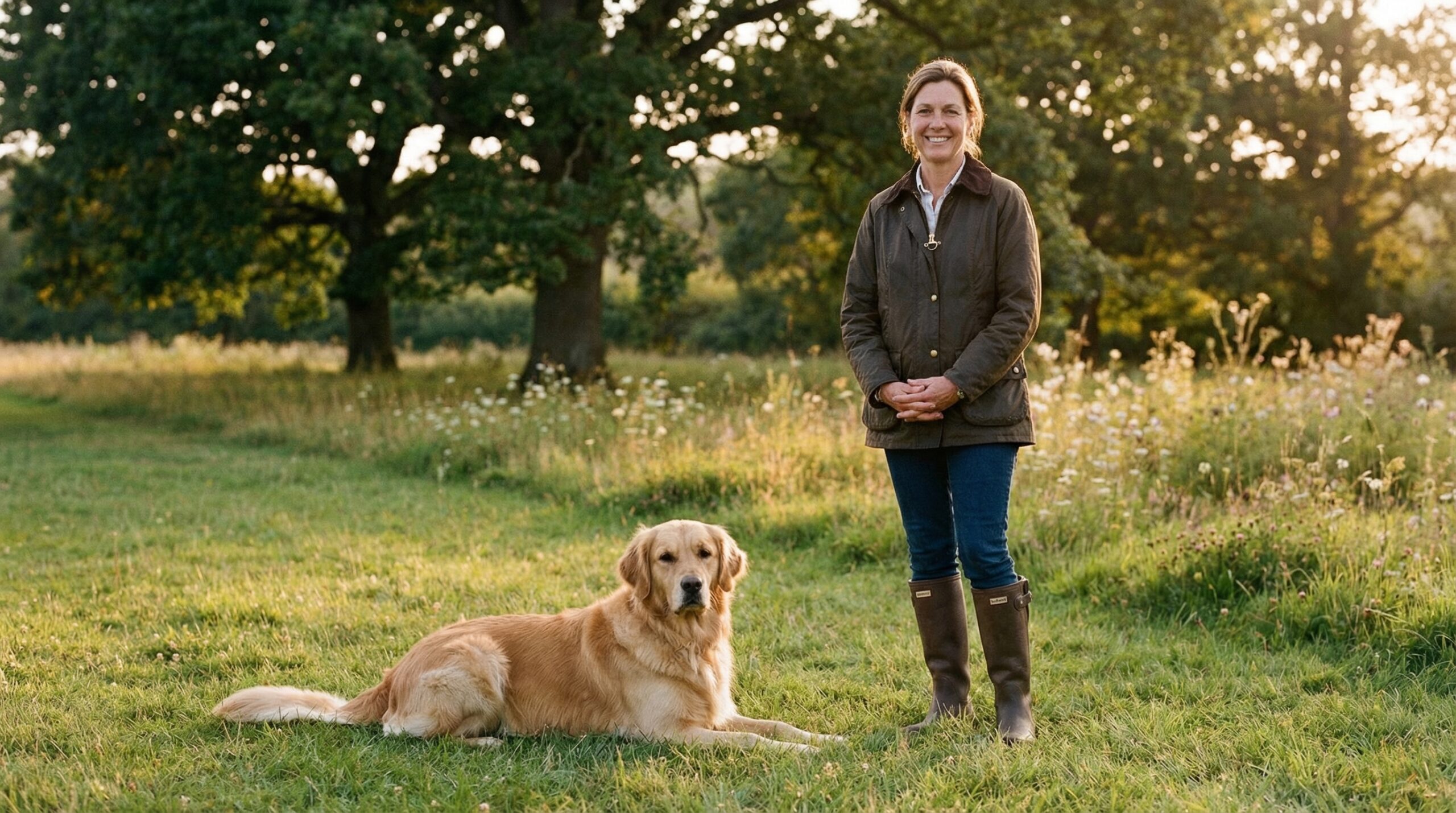
Fear and Anxiety Dog Training in Monmouth County, NJ
Some dogs are not stubborn. They are scared. They shake when thunder rolls in off the ocean, hide under the bed on the Fourth of July, freeze at the end of the driveway or bolt when a stranger reaches for them. If that sounds like your dog, you are dealing with a confidence problem more than an obedience problem, and it is one we see every week from families across Monmouth County.
Dog fear and anxiety training in Monmouth County is a big part of what we do at Dan Gentile Dog Training Center. Dan has trained dogs for more than 40 years and has worked with over 2,500 of them. A nervous dog needs the same things from a trainer that a nervous person needs: calm, steady structure, small wins and no surprises. That is what our board and train for anxious dogs is built around.
Quick Overview
This program is for shy, nervous and anxious dogs. Your dog stays at our 12-acre campus in Howell Township, in the heart of Monmouth County, for the 2-Week Board and Train, with a calm daily routine, confidence-building obedience and gradual exposure to new things.
At pickup, an owner handoff session shows you how to keep building confidence at home, and free lifetime consultations follow. Dogs with a history of aggression, including fear biting, are not a fit for our program.
What Fear Looks Like in a Dog
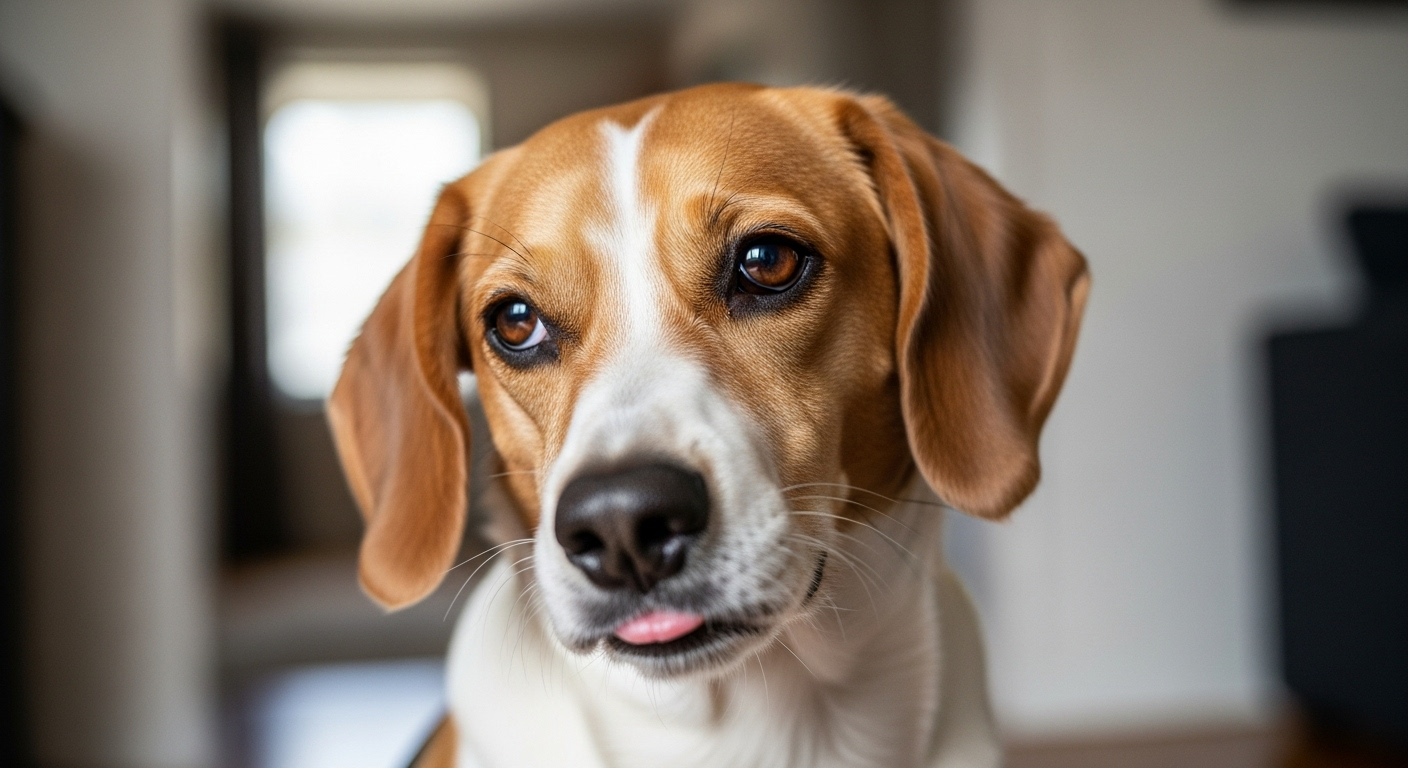
Owners usually notice the big moments and miss the small ones. A frightened dog shows it in its body long before it panics. Watch for a tucked tail, a low body and ears pinned back. Look for lip licking, yawning or turning the head away when nothing seems wrong. A scared dog often refuses food in a new place, trembles, paces or will not settle at night. It may hide, freeze on the leash or try to back out of its collar, and some dogs have accidents in the house whenever something changes.
One or two of these now and then is normal. When they show up most days, or when they are getting worse, fear is running the dog’s life and it is time to get help. Our article on how to help a fearful dog gain confidence goes deeper on the signs, and our piece on what dogs are scared of covers the most common triggers.
Why So Many Monmouth County Dogs Get Nervous
Life at the Jersey Shore is wonderful for people and can be a lot for a sensitive dog. The same triggers come up again and again on our consultation calls.
Fireworks. From late June through the Fourth, it can feel as if every shore town has a show, and the booms carry for miles. The American Veterinary Medical Association has practical advice on pets and fireworks for the nights you cannot avoid.
Summer storms. Afternoon heat builds over land, and the thunder and pressure changes that follow set a lot of dogs off before the first raindrop.
Crowds. Boardwalks, beach towns and summer festivals pack a nervous dog in with strangers, strollers and other dogs, often with no way out.
Rescue dogs. Many Monmouth families adopt from local shelters such as the Monmouth County SPCA in Eatontown. A rescue may arrive with a past you do not know, and fear is often part of it.
Change at home. A move, a new baby, a family member leaving for college. Dogs feel all of it, and a nervous dog feels it more.
None of these mean your dog is broken. They mean your nervous dog needs a calmer way to learn that the world is safe, and a plan you can keep using after the next storm.
What You Can Do Tonight
While you decide on training, a few steps help almost every nervous dog right away. Give it a safe spot, such as a crate with a blanket draped over it or a quiet corner with its bed, where nobody bothers it. Keep the day predictable, with meals, walks and bedtime at the same times, because surprises feed anxiety. Do not drag a scared dog toward the thing it fears, since that usually makes the fear worse. Stay calm yourself, because dogs read us and a relaxed voice helps more than lots of fussing. Before a storm or fireworks, bring the dog in early, close the curtains and put on some background noise.
These steps manage the fear. Anxious dog training is what changes it, by teaching the dog what to do instead of panicking.
The First Weeks With a Nervous Rescue
If you have just adopted, give your new dog time before you ask much of it. Keep visitors to a minimum for the first couple of weeks, walk the same quiet route each day, and let the dog come to people rather than having people reach for it. Feed it in the same spot at the same time. Note what scares it and when, because that list is exactly what Dan will ask about in your consultation, and it makes the training plan far more precise.
How Board and Train Helps an Anxious Dog
Board and train for anxious dogs works because your dog gets daily practice in a calm place. During the 2-Week Board and Train, your dog stays at our 12-acre campus in Howell and trains with us every day. For a fearful dog, the setting matters as much as the lessons.
A predictable routine. Meals, walks, training and rest happen at the same times every day, and routine is one of the fastest ways to lower anxiety.
Room to decompress. Twelve acres, a huge exercise area and heated and air-conditioned indoor and outdoor runs. Nothing about it feels like a crowded city kennel.
Confidence through obedience. Sit, down, stay and come give a nervous dog something to do instead of something to fear, and every success builds on the last one.
Small steps, never a flood. New sights, sounds and people are added gradually, at a pace the dog can handle, so it learns that new things are safe.
Safety around the clock. A veterinarian on call 24 hours a day, 24 security cameras and an alarm system, and a team that sees your dog every day. Every dog is different, and in your free consultation Dan will tell you honestly what is realistic for yours.
The Part Most Trainers Skip: Teaching You
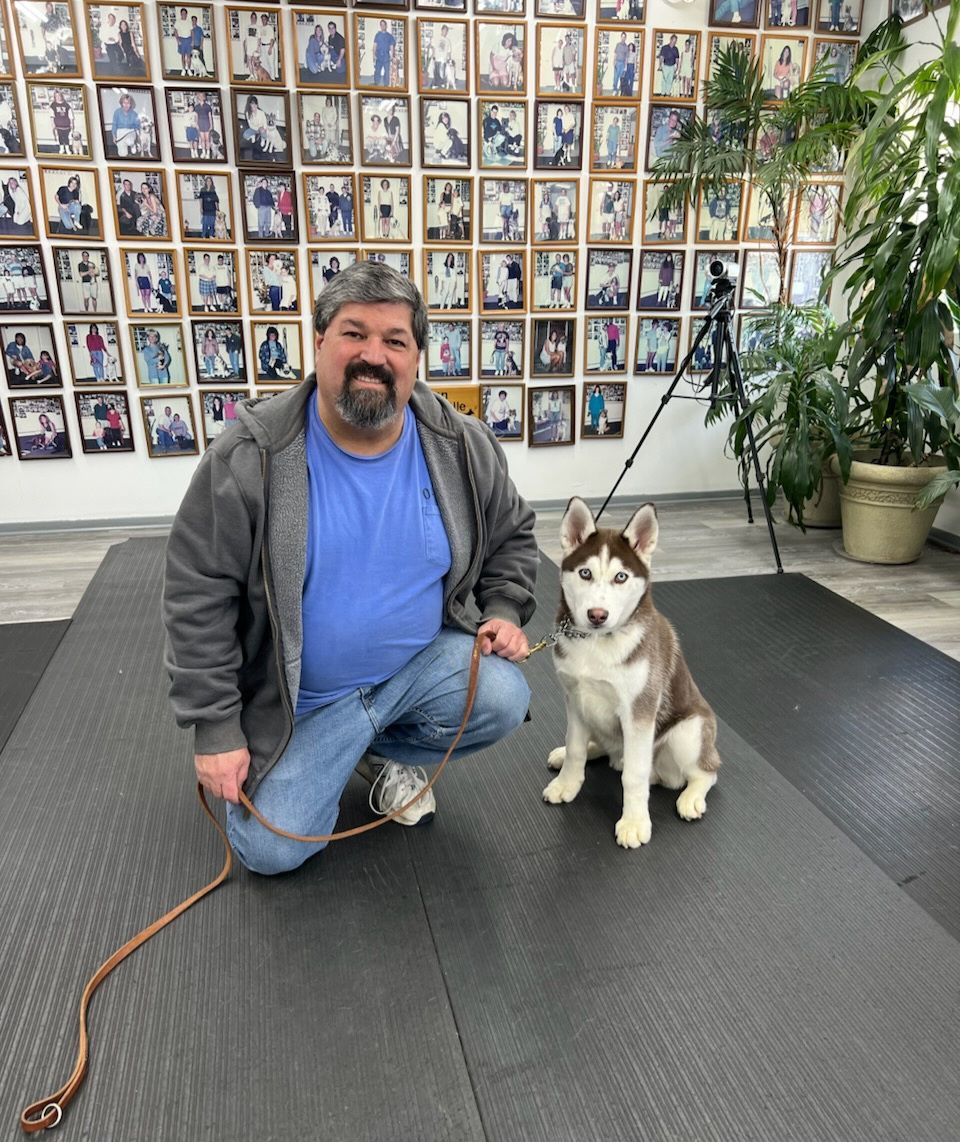
Anxious dog training only works if it carries over to home. A fearful dog that only feels safe at our facility has not really been helped. That is why every program ends with an owner handoff session. We show you how your dog was trained, what to do when it starts to get worried, and how to keep building its confidence at home, on your street and at the park.
After that you are not on your own. Free lifetime consultations come with the training, so when the Fourth of July or the first big storm of summer comes around, you can call us and talk it through.
Which Nervous Dogs We Can Help, and Which We Cannot
We want to be straight with you before you spend anything. We work with shy, anxious and fearful dogs: dogs that hide, shake, freeze, pull away or panic. For the safety of every dog and person on our campus, we do not accept dogs with a history of aggression, and that includes dogs whose fear has turned into biting or snapping.
If your dog has bitten, start with your veterinarian. Pain and medical problems can cause sudden fear, and your vet can rule them out and refer you to a specialist if needed. If you are not sure which side of the line your dog is on, tell Dan on the consultation and he will give you a straight answer. Dogs that panic mainly when they are left alone have a related but different problem, which our page on separation anxiety training covers in detail.
Why Owners Choose Dan as Their Fearful Dog Trainer
A fearful dog trainer needs patience more than anything, and patience comes from experience. Dan brings more than 40 years and over 2,500 dogs trained. He is a veteran and the center is veteran-owned. The training happens on a real 12-acre facility, not in a garage or a strip mall, right here in Howell Township, so help for a nervous dog in Monmouth County does not mean a long drive.

Read what other owners say on our testimonials page, where you will also find a link to more than 260 Google reviews, or learn more about Dan Gentile and the training center.
Start With a Free Consultation
Tell us what scares your dog and when it started. Dan will tell you whether training can help, which program fits and what it costs for your dog, with no obligation. Call (732) 938-5040 or book your free consultation. You will find us at 692 Lakewood Farmingdale Rd, Howell Township, NJ 07731, easy to reach from anywhere in Monmouth County, Monday through Saturday, 9 AM to 5 PM.

Frequently Asked Questions
Can a fearful dog really change, or is it just personality?
Many can change a great deal. Some dogs will always be a little cautious, and that is fine. The goal is a dog that recovers quickly, copes with everyday life and trusts you to lead it. With structure, gradual exposure and confidence building, most nervous dogs improve.
Will my anxious dog be stressed by staying away from home?
It is the worry we hear most. A predictable routine is what helps a nervous dog settle, and our campus is quiet, spacious and watched around the clock, with a vet on call 24/7. If your dog is having a hard time, we will tell you.
Do you help dogs that are scared of fireworks and thunderstorms?
Yes. Noise fear is one of the most common reasons Monmouth County owners call us. We build general confidence and calm behavior, then show you how to manage the next storm or Fourth of July at home.
My dog bit someone because it was scared. Can you help?
We do not accept dogs with a history of aggression, including fear biting, because we have to keep every dog and person on our campus safe. Please start with your veterinarian, who can check for pain or illness and point you to a specialist.
Is fear training different from training for pulling and jumping?
Yes. Our program for everyday problem behaviors works on habits like pulling, jumping and ignoring commands. Fear and anxiety training is for dogs whose main problem is that they are scared. Many dogs need a little of both, and Dan will tell you which fits.
Is this the same as separation anxiety?
Not quite. A dog with separation anxiety panics mainly when it is left alone, while a fearful dog reacts to things around it like noise, strangers or new places. Our separation anxiety training page explains that problem in detail.
Do you come to my home?
No. Training happens at our 12-acre center in Howell, and then we teach you how to carry it on at home during the owner handoff session.
Enjoy This Article? You May Also Like:
- Help a Fearful Dog Gain Confidence
- What Are Dogs Scared Of? Dogs’ Common Fears and Phobias
- Fearful Dog Training: Build Your Anxious Dog’s Confidence
- Fix Puppy Separation Anxiety: Signs, Causes, and Solutions
Dan Gentile Dog Training Center · Veteran-owned
Wait! Before You Go...
Want to potty train your puppy in 7-days? Get instant access to our Free Training eBook, transform your pet's behavior today!
Thank You!
Your free eBook is ready. Click the button below to view and download your comprehensive dog training guide.
View My eBook 📖