How To Help a Fearful Dog Gain Confidence
We love our pets. Dogs come in all shapes and sizes and share their unique personalities with their owners and the world. While it’s best to celebrate dogs of all kinds, some canine behavioral traits, like anxiety and fear, trouble owners and pets alike, causing stress and suffering.
Anxiety training for dogs can help your pet grow in confidence. Nervous and shy pets, through regular dog anxiety training, can thrive and shine.
The Dan Gentile Dog Training Center is your go-to dog training center in NJ. We’re here to explain how to help a fearful dog gain confidence.
Quick Answer: Building Confidence in Fearful Dogs
Fearful dogs require patience, structure, and professional desensitization to overcome their anxiety. Forcing a nervous dog into frightening situations will only worsen their behavior. Instead, confidence is built by introducing triggers at a safe distance and using counter-conditioning to change their emotional response.
For severe cases, an immersive Train While Boarding program provides the distraction-free environment necessary to safely lower their cortisol levels and hit the reset button on their fear
Signs of Anxiety and Fear in Dogs
Recognizing anxiety and fear in your pet doesn’t have to be difficult. Below are a few tips for helping a fearful dog gain confidence.
Depressed Appearance
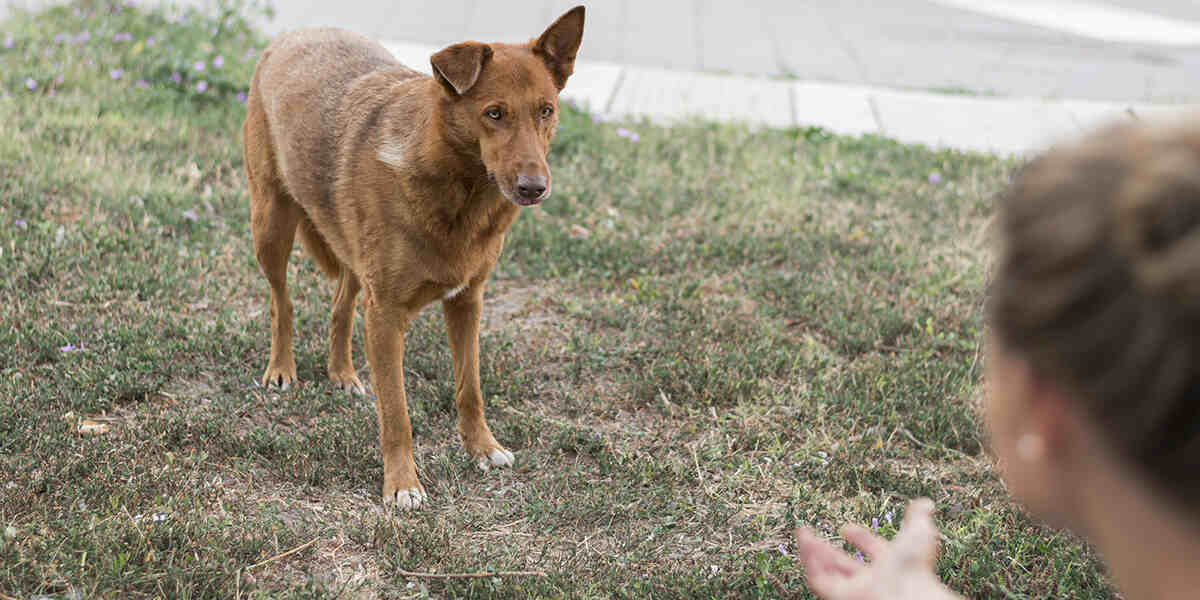
Shy dogs often look sad and distressed when exposed to frightening stimuli. They may shake or hide behind furniture and trees.
Troubling Noises
Anxious pets vocalize their concerns with loud barking, growling, and whining.
Aggressive Lunging
By lunging and nipping at humans and dogs alike, some fearful dogs confront their fear aggressively.
Causes of Fear in Dogs
If you’re keen on learning how to help a fearful dog gain confidence, recognizing the causes of fear and anxiety in your precious pet can go a long way toward getting the help they need.
As with humans, some dogs experience traumatic events that cause them terror. For instance, dogs attacked by other animals as puppies often grow up to fear and loathe other dogs and may lash out when you least expect it.
Finally, under-socialization, or a lack of proper social skills development during the early stages of a dog’s life, can have reverberating effects, even many years later. This is especially possible if you have a rescue animal with no documented history.
The Role of Environmental Decompression
A dog suffering from chronic anxiety cannot learn effectively. Their brain is constantly in survival mode. Before any behavioral modification can begin, the dog must experience a period of true decompression.
This is why attempting to rehabilitate a fearful dog in a noisy urban neighborhood often fails. By bringing them to a quiet, structured environment with access to peaceful nature trails, their cortisol levels naturally drop, creating a calm foundation where real learning and trust-building can occur.
Tips for Helping a Dog Gain Confidence
Here are some easy-to-follow tips we recommend for helping your precious pet learn to love other dogs and people.
Calming Tools
Treats containing special ingredients like melatonin and Zylkene are great for calming dogs. Your dog may also benefit from a ThunderShirt or a special calming cover to help with chronic anxiety.
Behavioral Wellness Techniques
Your dog’s health depends on certain habits. Regular exercise releases pent-up stress and anxiety, while consistent playtime and stimulation may relieve their fear. Even the right dog food can help improve your dog’s mental state.
Dog Training
Anxious dog training excels at helping even the most troubled dogs gain a sense of confidence. By gradually habituating your dog to fear-provoking stimuli, they can grow in self-assuredness and learn to love being around other pets and people.
Contact New Jersey’s Finest Dog Training Center
The Dan Gentile Dog Trainer Center wants to help your dog. We understand how to regain a fearful dog’s confidence and overcome phobias and fears, and we work with pets of all breeds and ages. Call (732) 938-5040 to speak to one of our team members.