How to Fix Puppy Separation Anxiety: Signs, Causes, Prevention, Solution
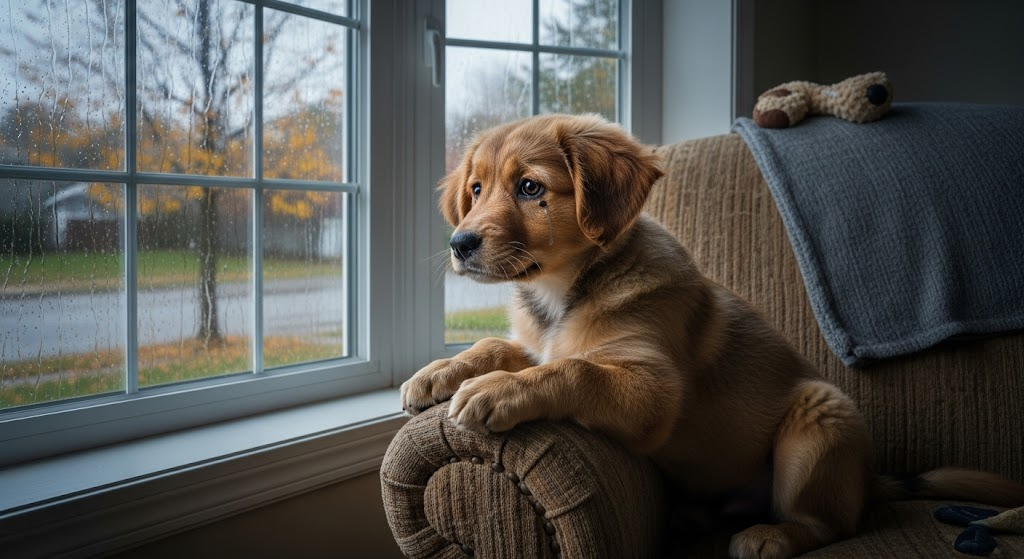
Puppy separation anxiety is a behavioral condition characterized by excessive distress and anxiety when a dog is left alone or separated from its primary caregivers. This is not merely a display of “naughtiness” or disobedience, but rather a genuine panic disorder stemming from a fear of being alone.
While commonly observed in dogs, it can also affect other pets. Understanding and addressing puppy separation anxiety early is crucial for the well-being of both the puppy and its human family, as untreated anxiety can lead to significant stress for the dog and frustration for the owner, potentially impacting the human-animal bond.
This guide will delve into the signs, underlying causes, and effective prevention and treatment strategies for puppy separation anxiety, offering a comprehensive guide for owners.
Key Takeaways
If you’re dealing with this now, here’s what you need to know:
- It’s Panic, Not Bad Behavior: Your puppy is having a panic attack, not being spiteful. Never punish them for anxious behaviors like barking or destruction.
- Get a Camera: You cannot treat separation anxiety without a camera (a Wi-Fi pet cam, Wyze, or an old smartphone). You must see when their anxiety actually starts.
- Immediate Management: The first step is to stop leaving your puppy alone for longer than they can handle. This is temporary. You may need to use daycare, pet sitters, or family help.
- The Fix is Slow: The main treatment is Systematic Desensitization, very gradually teaching your puppy that being alone is safe, starting with just a few seconds.
- Consult a Pro: Always rule out medical issues with your veterinarian. For puppies struggling with severe separation anxiety, a structured puppy boot camp or professional help from a certified dog trainer or behaviorist, such as the experts at Dan Gentile Dog Training Center in New Jersey, can make a world of difference. With structured guidance, most dogs can overcome their anxiety and gain the confidence to relax when home alone.
What is Puppy Separation Anxiety?
Puppy separation anxiety is a behavioral disorder where puppy displays visible stress when separated from a particular owner or any person. It is fundamentally an involuntary panic disorder, akin to a phobia or generalized anxiety in humans, rooted in a fear of being alone.
This is a critical distinction, as it means the dog’s behaviors are not intentional acts of defiance or spite, but rather involuntary reactions to an overwhelming emotional state. Punishing a dog for these behaviors will only exacerbate their anxiety, making the problem worse.
While we are dedicated to helping your young dog overcome separation anxiety and build independence, it is important to understand our program parameters. We do not offer general puppy training classes, and our immersive Train While Boarding programs strictly accept dogs starting at 3.5 to 4 months old. Additionally, we do not guarantee house training or housebreaking. For younger puppies struggling with basic indoor habits, we provide a comprehensive house training guide for owners to follow at home before their dog is old enough to begin formal behavior modification.
Distinguishing from Other Behaviors
It is crucial to differentiate true separation anxiety from other common puppy behaviors. A camera is the best way to tell the difference.
Separation Anxiety vs. Other Common Issues
| Behavior | Separation Anxiety (Panic) | Boredom / Lack of Training |
| Destruction | Focused on exit points (doors, windows, crate bars). Occurs only when alone. | Can happen anytime. Chewing is often random (furniture, shoes). |
| Elimination | A fully house-trained dog urinates/defecates only when left alone. | Puppy is not fully house-trained. Accidents happen at other times, too. |
| Vocalization | Prolonged, distressed barking or howling that starts near departure or shortly after. | Barking at external triggers (mailman, other dogs) or for attention. |
| When it Happens | Behaviors usually start before you leave or within 30 minutes of departure. | Behaviors may start hours after you leave, once the puppy gets bored. |
Recognizing the Signs of Puppy Separation Anxiety
Dogs experiencing separation anxiety exhibit a spectrum of distress behaviors when left alone, often within 30 minutes of their owner’s departure. Owners may not always witness these behaviors directly, making video monitoring an invaluable tool for accurate diagnosis.
Common Behavioral Manifestations
- Vocalization: This is one of the most frequently reported signs, including excessive barking, howling, or whining, sometimes for hours.
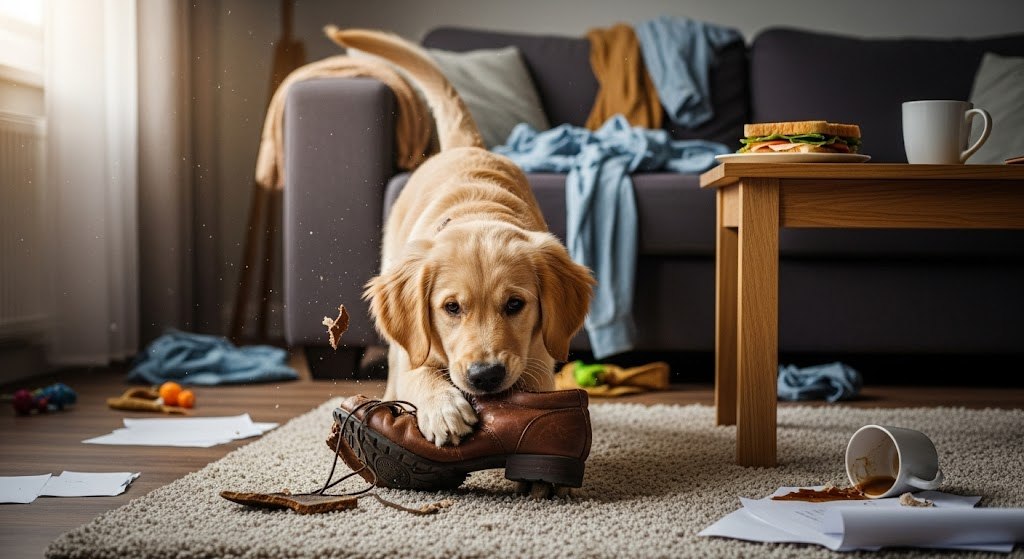
- Destructive Behavior: Anxious puppies may chew, dig, or scratch at household objects, often focusing on potential exit points like doors or windows in an attempt to escape. This destruction is a manifestation of their panic and frustration.
- Inappropriate Elimination: A house-trained puppy may urinate or defecate indoors when left alone, despite having had opportunities to relieve themselves outside.
- Attempts to Escape: In severe cases, dogs may injure themselves trying to break through windows or doors, or escape from crates.
Subtler Indicators of Distress
Beyond the obvious, several less common or easily missed signs can indicate a puppy is struggling with separation anxiety:
- Pacing and Restlessness: Anxious dogs may pace back and forth, often in a repetitive pattern.
- Excessive Salivation and Panting: These physiological responses can signal heightened stress and anxiety.
- Trembling or Shivering: Involuntary shaking can be a sign of fear or anxiety.
- Self-Injury: This can manifest as excessive paw licking or tail biting.
- Loss of Appetite/Refusal to Eat: Anxious dogs may refuse to eat meals or engage with food toys when alone, leaving them untouched until their owner returns. This is a strong indicator that the dog is too stressed to eat.
- Repetitive Behaviors: This can include circling or other stereotyped actions.
Pre-Departure Cues and Hyper-Attachment
Puppies with separation anxiety often show signs of stress even before their owner leaves, reacting to “pre-departure cues” such as picking up keys, putting on shoes, or grabbing a bag. They may become clingy, follow their owner from room to room, or whine and pace as departure becomes imminent. This hyper-attachment, where the dog is excessively bonded to one person, means they may still exhibit anxious behaviors even if another person is present.
How a Stress-Free Environment Alleviates Anxiety.
Curing puppy separation anxiety is incredibly difficult to accomplish in your own living room. Because your home is the exact environment your puppy expects you to be in, leaving them alone there often causes rapid trigger stacking and panic. To truly break this cycle of stress, your dog needs a complete psychological reset.
Our professional Train While Boarding boot camp provides exactly that. Located on a massive 12 Acres of Country Setting, our facility acts as a stress-free environment where your puppy can safely decompress and learn true canine independence. Instead of relying on your constant physical presence, they learn self-soothing techniques while resting in our Spacious Indoor/Outdoor Runs.
Please note that to ensure optimal neurological development, we recommend starting puppies in our immersive training programs between 3 1/2 and 4 months of age. Because generalization is critical to long-term success, all our programs include Owner Training. This ensures that once your puppy builds their confidence on our campus, you know exactly how to maintain that calm independence the moment they return to your household.
Identifying the Causes of Puppy Separation Anxiety and Contributing Factors
The exact reasons why some puppies develop separation anxiety while others do not are not fully understood, but it is often linked to significant changes or stressful events in their lives.
Major Life Changes and Stressful Events
- New Home or Family: A move to a new home, especially with a new family, can trigger anxiety.
- Changes in Owner’s Schedule/Absence Duration: Sudden or dramatic upheavals in the owner’s routine, such as starting a new job, traveling frequently, or a significant increase in alone time, can be a major trigger.
- Loss of a Family Member: The death or absence of a human or animal family member can contribute to the development of anxiety.
- Time Spent Away: Stays in boarding kennels or veterinary clinics can be traumatic experiences that predispose a dog to separation anxiety.
Underlying Vulnerabilities
- Inadequate Socialization: Puppies who have not been properly socialized or have limited exposure to different environments and people may be more prone to anxiety when left alone.
- Genetic Predisposition/Innate Anxiety: Some dogs may be innately more anxious or have a genetic makeup that makes them more susceptible to developing separation anxiety.
Common Misconceptions Debunked
It is crucial to reiterate that separation anxiety behaviors are not motivated by spite or revenge. Dogs do not possess the cognitive ability to behave out of spite. Instead, they are reacting out of panic and fear. Similarly, these behaviors are not a result of disobedience or a lack of training. Punishing a dog for these actions will only increase their anxiety and worsen the problem.
Importance of Ruling Out Medical Conditions
Before embarking on a behavioral treatment plan, it is essential to consult a veterinarian. Many medical problems can mimic or exacerbate separation anxiety symptoms, such as seizures, diabetes, Cushing’s disease, renal problems, cystitis, or gastrointestinal distress. A veterinary examination can rule out underlying physical issues and ensure the dog’s overall health.
Immediate Management: What to Do Before You Start Training
The long-term training plan (desensitization) can take weeks or months. During this time, it is critical that your puppy does not experience full-blown panic. Every time they panic, the anxiety is reinforced.
Your number one job, starting now, is to suspend all absences. This is the hardest part for owners, but it’s the only way to start.
- Arrange for Care: You must find a way to avoid leaving them alone. This may mean: * Using doggy daycare (if your puppy is well-socialized and enjoys it). * Hiring a pet sitter or dog walker. * Asking family, friends, or neighbors for help. * Taking your puppy to work, if possible. * Working from home or alternating schedules with a partner.
- Consult Your Vet (Again): Now that you suspect separation anxiety, call your vet back. Ask about situational medication (like Trazodone). This is not a “cure,” but it can be a crucial tool to help “take the edge off” for unavoidable, short absences (like a grocery run) while you work on the long-term training.
How Long Does Puppy Separation Anxiety Last?
The length of time puppy separation anxiety lasts depends on your puppy’s temperament, environment, and the consistency of your training. Most puppies begin adjusting to short periods of alone time by 4 to 6 months of age, but for others, it can take several months of careful desensitization.
Consistency is everything. Puppies who experience regular, structured alone time — paired with positive reinforcement — typically overcome anxiety faster. On the other hand, abrupt schedule changes, inconsistent training, or over-dependence on their owners can slow progress.
With a patient, methodical approach and possibly the help of a professional trainer, even severe cases of puppy separation anxiety can significantly improve. The goal isn’t just to stop symptoms, but to build genuine emotional stability so your puppy feels secure, calm, and independent.
Coddling a nervous puppy may feel like the right thing to do, but it actually reinforces their belief that they cannot survive without you. To permanently fix separation anxiety, we must build the puppy’s self-confidence. This involves teaching them how to self-soothe and relax without needing physical contact. Our expert puppy training in Monmouth County focuses heavily on building this emotional resilience, ensuring your puppy grows into a secure, independent adult dog rather than an anxious liability.
Effective Strategies to Fix Puppy Separation Anxiety
Treating puppy separation anxiety is a complex process that requires patience, consistency, and a multi-faceted approach. It often takes months, and while many dogs can achieve stress-free lives, behaviors may resurface during times of transition.
I. The Most Important Tool: A Camera
Before you begin any training, you must have a video camera. You cannot successfully or safely treat separation anxiety without one.
- It Finds Their True Threshold: A camera is the only way to know the exact moment your puppy’s anxiety begins. Do they panic when you pick up your keys? When you touch the doorknob? Or 10 minutes after you leave? Without this data, you are training blind.
- It Shows Subtle Signs: Your puppy might not be barking or destroying things right away. A camera will show you the subtle, early “pre-panic” signs (pacing, lip-licking, yawning, panting) so you know to return before they get distressed.
How to Use It: Set up a simple Wi-Fi camera (like a Wyze cam, pet cam) or use an old smartphone with a free monitoring app. You must be able to watch your puppy in real-time on your phone when you start your training sessions.
II. Professional Guidance
Addressing separation anxiety effectively often necessitates professional intervention.
When to Seek Expert Help:
If a dog’s separation anxiety is severe, causing self-harm, significant damage to the home, or if owners are struggling to make progress, professional help is essential. Professional dog trainers like the Dan Gentile Training Center in New Jersey can help.
Roles of Veterinarians, Veterinary Behaviorists, and Certified Separation Anxiety Trainers (CSATs):
- Veterinarians can rule out medical conditions, provide initial advice, and may prescribe medication to help reduce anxiety.
- Veterinary Behaviorists are veterinarians with specialized training in animal behavior. They can provide accurate diagnoses, develop comprehensive treatment plans, and prescribe and manage medication.
- Certified Separation Anxiety Trainers (CSATs) are highly specialized dog trainers focusing exclusively on separation anxiety. They are recognized for their in-depth knowledge of learning theory, commitment to force-free techniques, and extensive experience in coaching clients through challenging behavior modification. CSATs work remotely, often utilizing cameras to monitor the dog’s behavior and guide owners through systematic desensitization programs.
Emphasis on Positive Reinforcement:
Any professional intervention should adhere to positive reinforcement training techniques, which are crucial for building a dog’s confidence and changing their emotional perception of being alone.
III. Behavior Modification Techniques
The core of treating separation anxiety in puppies lies in behavior modification, particularly systematic desensitization and counterconditioning.
Systematic Desensitization: The Cornerstone of Treatment:
This is the most effective method for treating separation anxiety. It involves gradually exposing the dog to micro-separations at a pace where they remain relaxed and below their panic threshold.
- Gradual Exposure and Micro-Separations: Training starts with very short absences, sometimes just a few seconds, and gradually increases the duration as the dog remains calm. The key is to return before the dog shows signs of anxiety.
- Staying Below the “Threshold” of Anxiety: It is paramount that the dog never experiences full-blown anxiety during training sessions. If the dog becomes stressed, the duration or difficulty of the absence must be reduced. Training should occur at “Threshold 1,” where the dog is comfortable and relaxed, not just “holding it together”.
- The Calming Yo-Yo Exercise: This exercise teaches a dog to remain calm during short, controlled absences. It involves the owner moving away from the dog (e.g., one step) and returning before the dog becomes anxious, rewarding calm behavior upon return. This builds trust that the owner will always return if the dog remains calm.
- Your First Desensitization Session: A 5-Step Example: This exercise assumes you’ve used your camera and found your puppy is calm unless you touch the doorknob. Your goal is to make the doorknob “boring.”
- Get Ready: Have your camera on so you can watch your puppy. Have high-value treats (chicken, cheese) in your pocket. Do not say “good boy” or add excitement.
- Step 1 (The “Rep”): Walk to the door and touch the doorknob.
- Step 2 (The Return): Immediately turn around and walk back to the couch or a chair.
- Step 3 (The Reward): Casually toss a treat on the floor away from you. This rewards them for staying calm without adding excitement.
- Step 4 (The Rest): Wait 30-60 seconds. Watch your puppy on the camera for any stress.
Repeat this “rep” 3-5 times. That’s it. Your first session is done. Tomorrow, you might do the same thing, or you might try jiggling the doorknob. The key is to go painfully slow and always return before your puppy shows stress.
Counterconditioning: Creating Positive Associations:
This technique involves pairing a negative stimulus (owner leaving) with a positive one (a high-value reward). The goal is to change the dog’s emotional response from fear to anticipation of something good.
- Pairing Departures with High-Value Rewards: Offering a special, long-lasting treat or puzzle toy (e.g., a frozen Kong stuffed with food) just before leaving can help the dog associate departures with a positive experience. However, it’s important to note that food toys primarily distract and do not cure the underlying anxiety; they should be used as part of a broader desensitization plan.
- Desensitizing Pre-Departure Cues: To reduce anxiety triggered by departure rituals, owners can practice these cues (e.g., picking up keys, putting on shoes) randomly throughout the day without actually leaving. This teaches the dog that these actions don’t always lead to the owner’s departure.
IV. Environmental Management and Enrichment
Creating a supportive environment is crucial for managing and reducing anxiety.
Creating a Safe and Comfortable Haven:
Designate a specific area (e.g., kitchen, mudroom, bedroom) where the dog feels secure and comfortable, equipped with a comfortable bed, water, and toys. This space should ideally be one the dog chooses to rest in naturally.
Strategic Use of Crates (and When to Avoid Them):
Crate training can be beneficial for many reasons, providing a safe space when owners are home. However, crating a dog with separation anxiety is generally not a solution and can be ineffective or even detrimental if the dog experiences confinement anxiety. Crates may prevent destruction but do not alleviate the panic. If a dog panics in a crate, it should be avoided. Instead, a dog-proofed room with a secure gate might be preferable.
Interactive Toys and Mental Stimulation:
Providing engaging toys can distract dogs and offer mental stimulation when alone. Examples include:
- KONG Classic: A versatile rubber toy that can be stuffed with treats and frozen for long-lasting engagement. The licking action can be soothing.
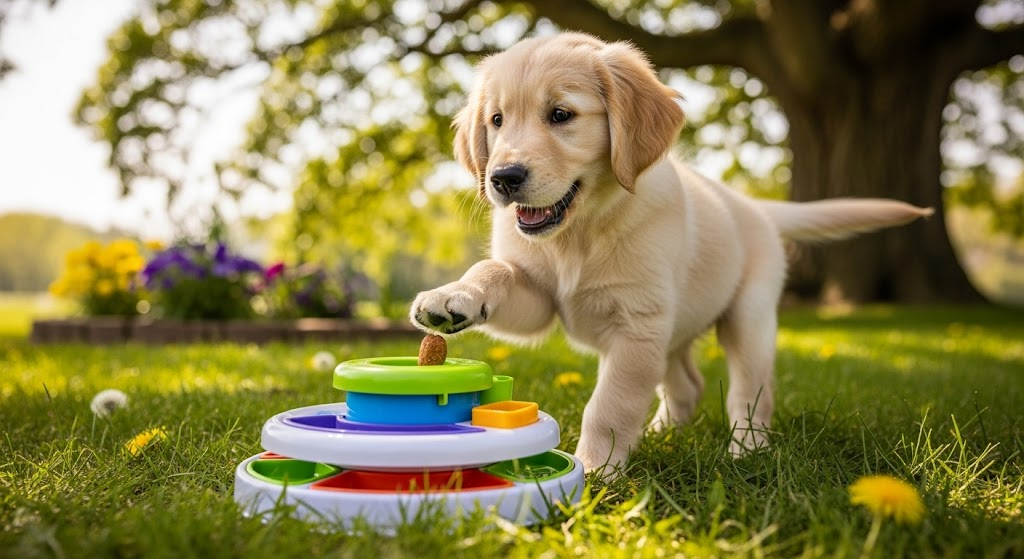
- Puzzle Feeders/Treat-Dispensing Toys: These require the dog to solve a problem to get food, keeping them mentally occupied. Examples include Nina Ottosson puzzles, Buster Cubes, and Tricky Treat Balls.
- Snuffle Mats and Lick Mats: These hide food or spreadable treats, encouraging sniffing and licking, which are calming behaviors.
Background Noise and Comforting Scents:
Leaving on a radio (preferably talking stations) or TV can provide background noise, making the dog feel less alone and muffling startling outside sounds. Pheromone products (e.g., Adaptil) can also release comforting scents that help dogs feel more relaxed.
V. Lifestyle Adjustments for Anxiety Reduction
Routine and appropriate activity levels play a significant role in managing anxiety.
- Establishing a Consistent Routine: Puppies thrive on predictability. A consistent daily schedule for feeding, exercise, and playtime can reduce anxiety and provide a sense of security.
- Ensuring Adequate Physical and Mental Exercise: Tiring out a dog physically and mentally before leaving can help them settle during absence. This includes aerobic activity (running, swimming), interactive games (fetch, tug-of-war), and mentally stimulating activities like scent work, indoor agility, or training exercises.
- Low-Key Departures and Arrivals: Owners should keep departures and returns as calm and uneventful as possible. Avoiding long goodbyes or overly excited greetings helps prevent reinforcing the dog’s anxiety.
- Managing Absences: Doggy Daycare, Pet Sitters, and Friends: During the intensive training period, it is crucial to avoid leaving the dog alone for long periods. This may require enlisting the help of family members, friends, or professional services. For well-socialized dogs who enjoy the company of other dogs, daycare can provide exercise, mental stimulation, and a routine that relieves separation anxiety and boredom.
VI. Medical and Supplemental Support
In some cases, especially severe ones, medication or supplements may be recommended by a veterinarian or veterinary behaviorist to support behavioral interventions.
- Role of Anti-Anxiety Medication: Medication can help reduce anxiety levels and lower the dog’s overall stress threshold, making behavioral modification more effective. Drugs like fluoxetine (an SSRI) or clomipramine (a TCA) are commonly prescribed, and trazodone may be used for daily or as-needed anxiety relief. Medication alone is usually not sufficient and should be combined with a comprehensive training program.
- Natural Supplements and Calming Aids: Some supplements contain natural ingredients that can promote relaxation, such as probiotics (e.g., Bifidobacterium longum), alpha-casozepine (derived from milk), or L-theanine (from tea). Compression vests or wraps that apply light, constant pressure can also be helpful for some pets, similar to swaddling a baby.

How to Comfort a Puppy with Separation Anxiety at Night
Nighttime can be especially difficult for puppies with separation anxiety, as silence and darkness can heighten their distress. To make nights more peaceful:
Keep them nearby at first. Place their crate or bed in your bedroom or a nearby hallway during the first few weeks.
Use scent familiarity. A worn T-shirt or blanket with your scent can provide comfort and reassurance.
Provide gentle background noise. White noise or soft music can help mask outside sounds that may trigger anxiety.
Establish a calming bedtime routine. Include light play, a potty break, and calm petting before lights out.
Over time, you can gradually move their sleeping space farther from your bed as they gain confidence. This gradual method helps reduce puppy separation anxiety without reinforcing dependency.
Common Mistakes to Avoid in Treatment
Several common pitfalls can hinder progress or even worsen separation anxiety. Awareness of these mistakes is crucial for successful intervention.
| ❌ Don’t Do This | ✅ Do This Instead |
| Punish your puppy for barking, destroying, or soiling the crate. | Empathize. Recognize this as a panic attack. Clean up without comment and focus on building their confidence. |
| Let your puppy “Cry It Out.” | Use a camera. Return before they cry. This teaches them that you will always return and that they are safe. |
| Push your dog too fast or train “over threshold.” | Go painfully slow. Watch for subtle stress (lip licking, yawning) and end the session. The goal is no anxiety. |
| Force your dog into a crate if they panic in it. | Use a “puppy-proofed” room with a baby gate. Confinement anxiety can make separation anxiety much worse. |
| Make long, emotional goodbyes or excited hellos. | Be boring. Keep arrivals and departures calm and uneventful to lower the emotional stakes. |
| Rely only on food toys (like a KONG). | Use food toys as a distraction, but know they don’t fix the panic. True desensitization training is the cure. |
Prevention of Puppy Anxiety: Laying the Foundation for a Confident Puppy
Preventing separation anxiety is often easier than treating it. Early, thoughtful acclimation to alone time can set a puppy up for success.
- Early Acclimation to Alone Time: From the moment a puppy comes home, it is important to gradually accustom them to periods of time away from their owner, even when the owner is home. This can involve short periods in a designated safe space or crate while the owner is nearby but not interacting.
- Avoiding “Emotional Overload”: While tempting to spend every waking moment with a new puppy, it’s crucial to avoid creating an excessive attachment. Gradually introduce alone time from the beginning, rather than a sudden shift from constant companionship to long absences.
- Gradual Crate Training (if applicable): If crate training is chosen, it should be introduced positively and gradually, associating the crate with treats and calm praise. The puppy should initially be crated for short periods while the owner is present, with time gradually increased. This helps the puppy view the crate as a safe, positive space.

FAQs about Puppy Separation Anxiety
How do you break separation anxiety in puppies?
Breaking puppy separation anxiety requires gradual, consistent training and a compassionate approach. Start by practicing short departures that don’t trigger distress and slowly increase the time you’re away. Pair alone time with positive experiences, like high-value treats or puzzle toys, to build comfort. It’s also essential to avoid dramatic goodbyes or greetings, maintain a predictable routine, and provide plenty of mental and physical stimulation.
For more severe cases, consult a professional dog trainer or a Certified Separation Anxiety Trainer (CSAT) who uses positive reinforcement techniques. At Dan Gentile Dog Training Center, we offer personalized behavioral training to help your puppy feel safe and secure when home alone.
At what age do puppies stop having separation anxiety?
There is no fixed age when puppies stop experiencing separation anxiety, as it varies based on temperament, environment, and training. However, with proper socialization and desensitization techniques, most puppies begin to feel more secure alone by 6 to 12 months of age.
If the anxiety persists or worsens into adolescence, it may require targeted intervention from a professional dog trainer. Addressing symptoms early increases the likelihood of a faster and more complete recovery.
How to train a dog with separation anxiety?
Training a dog with separation anxiety involves systematic desensitization and counterconditioning. Start by leaving your dog alone for very short, manageable intervals and gradually increase the time based on their comfort level. Provide special treats or interactive toys during departures to create positive associations.
Avoid punishment, never let them “cry it out,” and keep arrivals and departures calm. Consistency is key, and in severe cases, working with a certified trainer or dog behaviorist, like those at Dan Gentile Dog Training Center, can help design a structured training plan tailored to your dog’s emotional needs.
What is attachment issues in puppies?
Attachment issues in puppies occur when they form an overly dependent bond with their owner, making it difficult for them to tolerate being alone. This can lead to separation-related behaviors such as barking, destruction, or house soiling.
While it’s natural for puppies to seek closeness, attachment issues develop when a puppy hasn’t learned independence. Encouraging alone time from an early age, establishing routines, and gradually building confidence through positive reinforcement can prevent or reduce these issues.
If your puppy shows signs of distress when left alone, it’s important to address the root cause early to prevent long-term anxiety.
Conclusion and Recommendations
Addressing puppy separation anxiety requires a compassionate, consistent, and patient approach. Far from being simple disobedience, this is a panic-driven condition that must be treated with empathy rather than punishment. Successful treatment starts with professional guidance. Consult a veterinarian to rule out medical issues. The cornerstone techniques include systematic desensitization (gradually increasing alone time), counterconditioning (pairing departures with rewards), and creating a soothing, enriched environment.
Owners must also commit to a predictable daily routine, provide adequate exercise and mental stimulation, and manage alone time thoughtfully using tools like calming aids or trusted caregivers when needed. In moderate to severe cases, temporary medical support may complement training.
Most importantly, avoid harsh corrections, recognize your puppy’s emotional threshold, and understand that their distress is real. With time, structure, and expert help, such as the personalized programs offered at Dan Gentile Dog Training Center, you can guide your puppy toward lasting confidence and emotional security.
Searching for a trusted local facility to help your young dog build genuine confidence? Take a virtual tour of our 12-acre campus and read reviews from other local pet parents right here on our Google profile. Let us help you build a lifelong bond of trust and respect with your dog!
Enjoy This Article? You May Also Like:
- Dog Training in Brick Township – Professional Services with a Personal Touch
- Monmouth County Dog Behaviorist – Professional Solutions for Lasting Change
- The Dog Behavior Specialist in Monmouth County for Lasting Results
- Dan Gentile Dog Training Center: The Top Dog Training Center in Monmouth County
For the broader picture in adult dogs, read our guide to dog separation anxiety.